Tip Toe’s Gabriel Clark reacts to shocking finale: 'Sometimes you need to stand up and shout back’
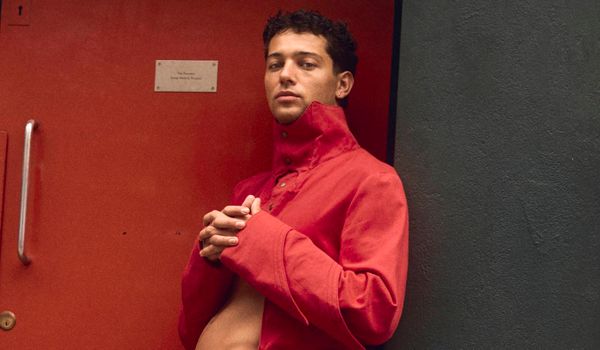
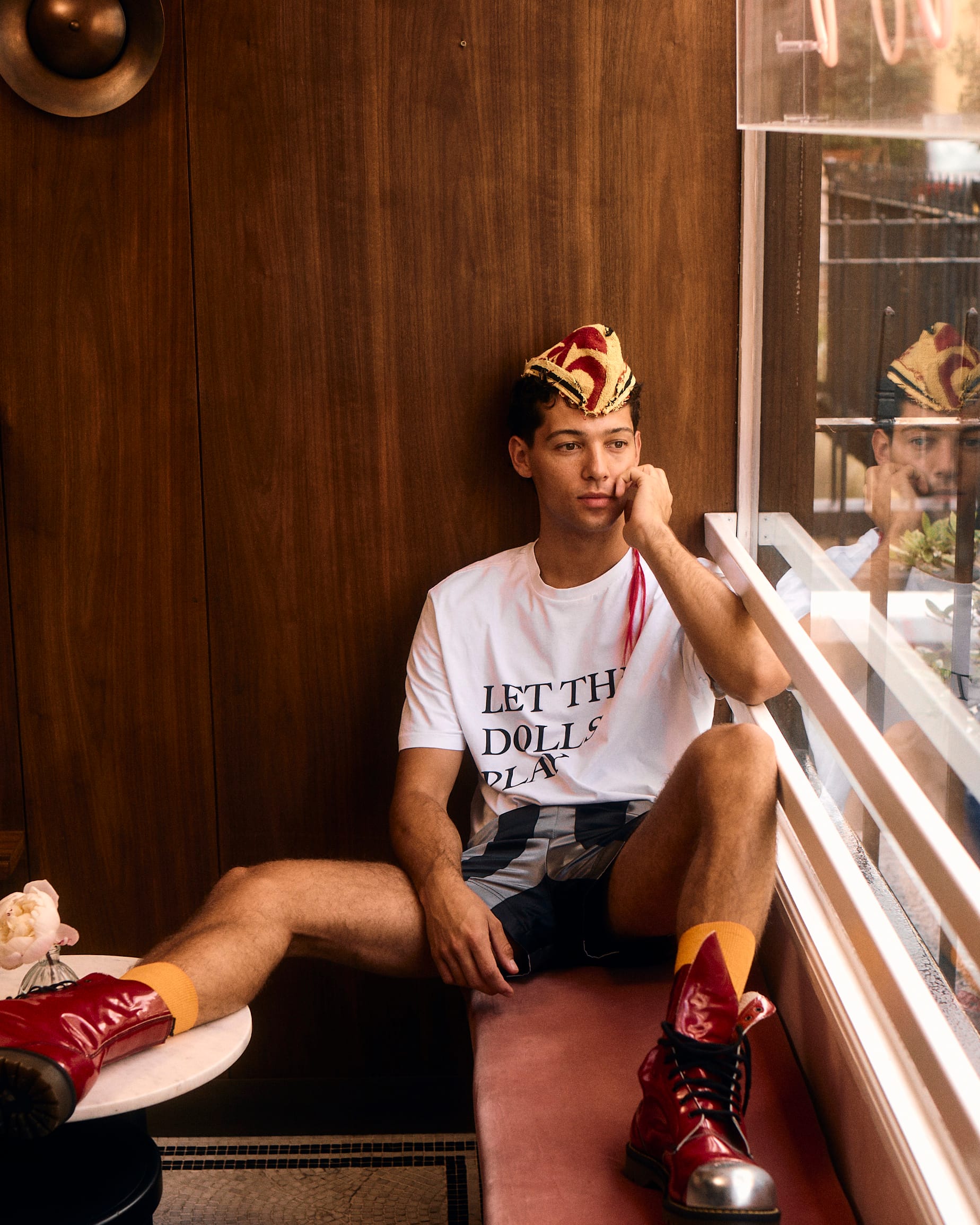
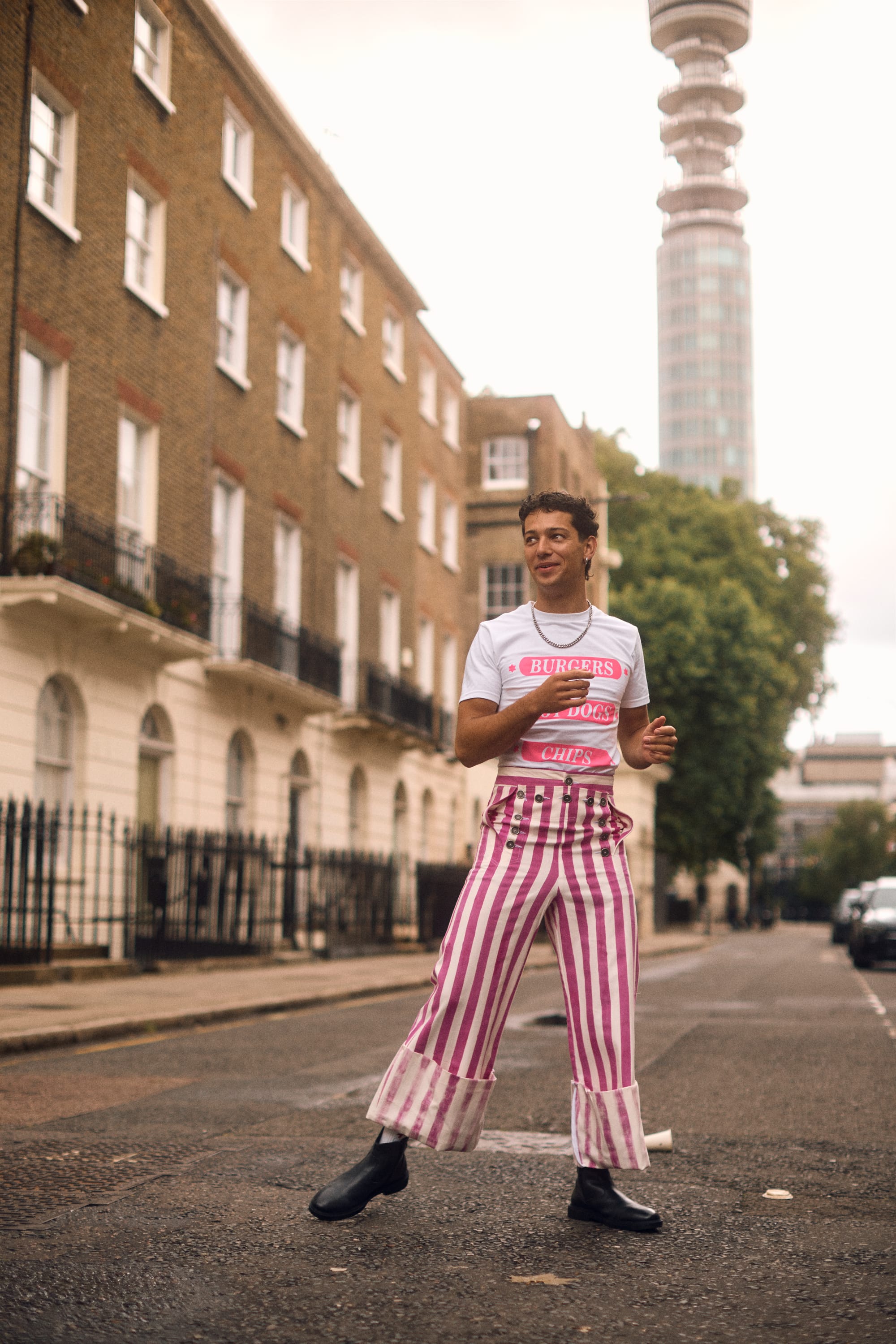
After rising to prominence as Ollie Morgan on Hollyoaks, Gabriel Clark discusses working with Alan Cumming in Tip Toe and how he hopes the show can save us from a terrible fate.
In late 2025, Gabriel Clark was walking down Canal Street in Manchester with fellow Tip Toe star, Dominic Holmes. As they neared the fried chicken shop, McTuckey’s (an institution) several men pulled up nearby, got out of the car, and yelled “F****t!” at them. They then drove away, laughing as they vanished into the night. That was a week before Russell T Davies’ latest LGBTQIA+ drama started filming. Looking back now, Clark, who plays bright and breezy Spit & Polish bartender Mikey Driscoll in the series (Holmes plays the drag queen, Regime), the actor laments what it says about the state of homophobia in the UK. “Neither of us were surprised,” says Clark. There were witnesses, who didn’t have time to react but also didn’t seem surprised. “It's so sad that an event like that can happen, and that neither of us blinked,” Clark continues. “It felt like another day.”
The incident demonstrates two things. The first is the answer to that pesky question that resurfaces every year during June: why do we need Pride? And with the UK falling to 22nd place in ILGA Europe’s annual Rainbow Map, as well as Galop, the LGBTQIA+ anti-abuse charity, recording a 27% increase in hate crime calls to their National LGBT+ Abuse and Violence Helpline in the last reporting year, and LGBTQIA+-related hate crimes rising over the last five years, the answer is all the more clear. And secondly, Clark’s experience, as well as the current states of affairs in the UK, demonstrates the need for a show like Tip Toe.
The series focuses on the relationship between Leo Struthers (Alan Cumming), an out and proud gay man and owner of the Spit & Polish nightclub on Canal Street, and his straight, conspiracy-theorist, Leave-supporting, COVID-denier neighbour, Clive Goss (David Morrissey). From the start of the first episode, we know that Leo will end up lynched to a lamppost outside his home. What we don’t know is what leads him there. That doesn’t make the events that unfold any less impactful and terrifying, especially the last episode and the exact proceedings that result in Leo’s death.
Reacting to the shocking finale that sees Clive lead Leo’s execution (there’s no doubt that’s what it is, Clive says so himself), Clark likens the show’s structure to a Greek tragedy, with the chorus telling the audience how Medea will murder her children. “I remember reading it and wishing with every turn of the page that it didn't happen, that someone could step in, that someone could change what you know is going to be true. And I feel like that's the same experience watching it.” The 27-year-old applauds the writing especially. “It's so clever. Every decision that everyone makes you're looking at less as a passive thing, but actively analysing, wondering if that's going to contribute towards Leo’s death.”
On the one hand the action that unfolds feels extreme. While it’s based in reality, and many have met groups of men who behave in the violent ‘laddish’ way the football hooligans of Tip Toe behave in, the act of successfully lynching someone feels a step beyond what we know. But maybe that’s what makes it so effective, having the audience question how far away from reality this is and whether it’s possible to turn around? And in going to such an extreme, does the show truly act as a wake up a call as the show’s creators would wish?
Clark agrees, arguing that in a world of short attention spans we need content that is shocking. He uses the Manosphere as an example of how some are succeeding in that. “Their platform is built on shock value,” he continues.
“I don't believe that's the right way to go about it, but I do think to counter it, how shocking the ending is should wake people up. We've tried campaigning, we've tried writing letters, we've tried gently having conversations, politely asking that people use the correct pronouns, that people refer to someone by their chosen name, that people don't pull up and shout f****t at you on the street. They're obviously not listening and it's getting worse. I think sometimes you need to stand up and shout back. That's what this show is doing.” Of the show’s epilogue, which details how characters move on from Leo’s murder, Clark thinks “it hammers home the reality of the show,” demonstrating that the story doesn’t end there. “The story ends where the story ends, but the characters' lives continue,” says Clark. “They have to carry on living and it's hard.” Among the repercussions is Melba’s (Paul Rhys) alcoholism, and the closure of Spit & Polish without its leader, Davies touching on the real-life issue of the closure of queer venues in the show’s final moments.
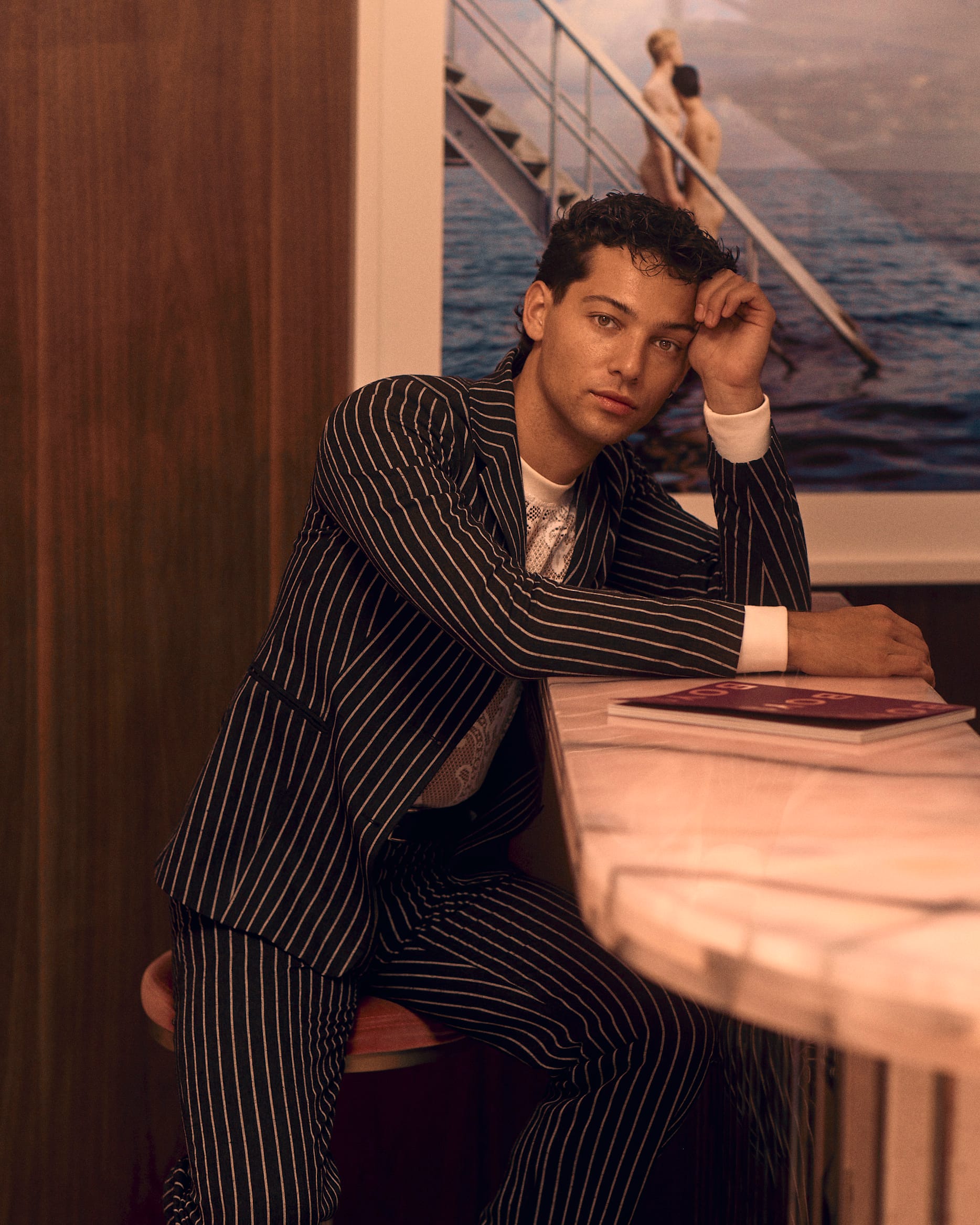
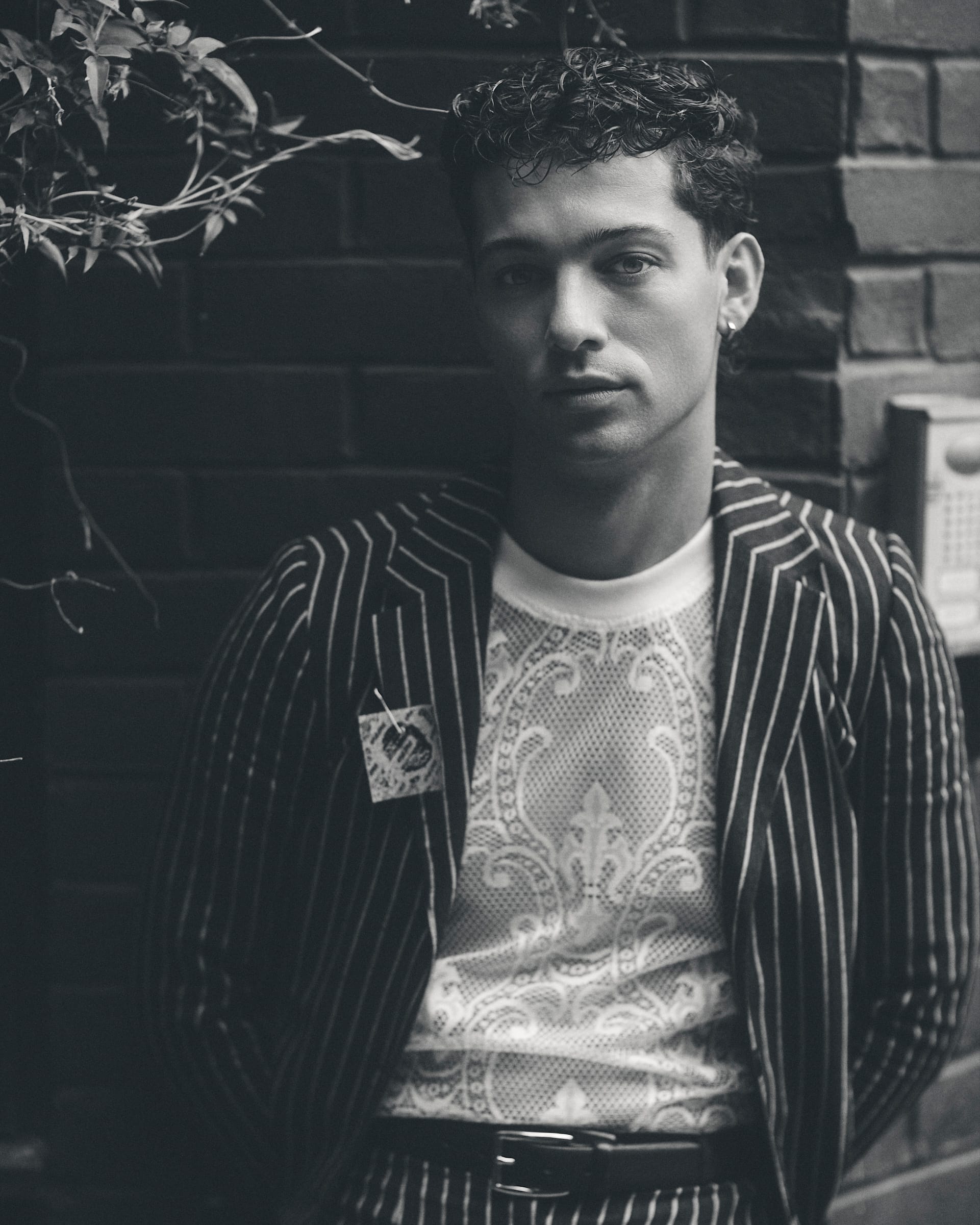
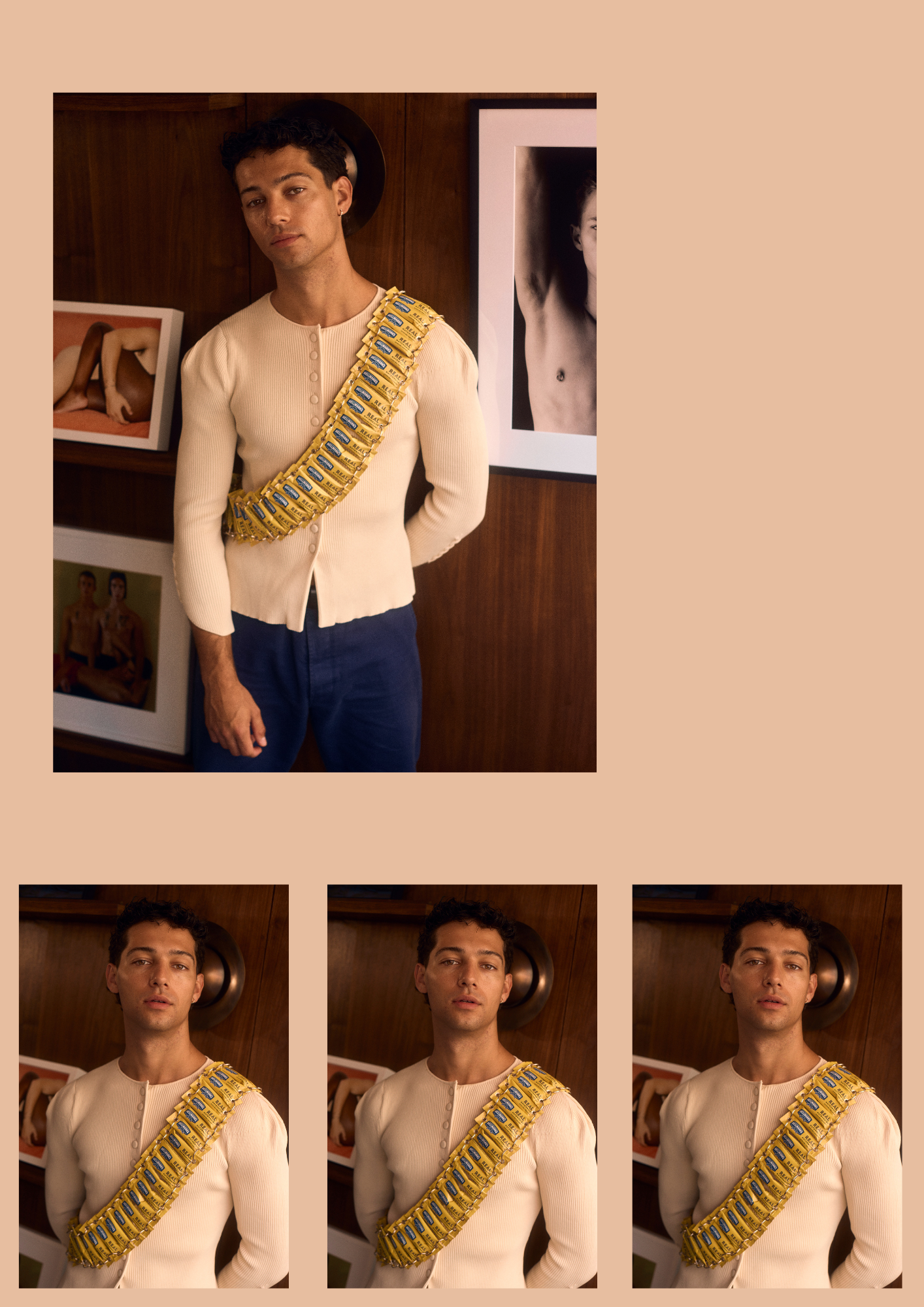
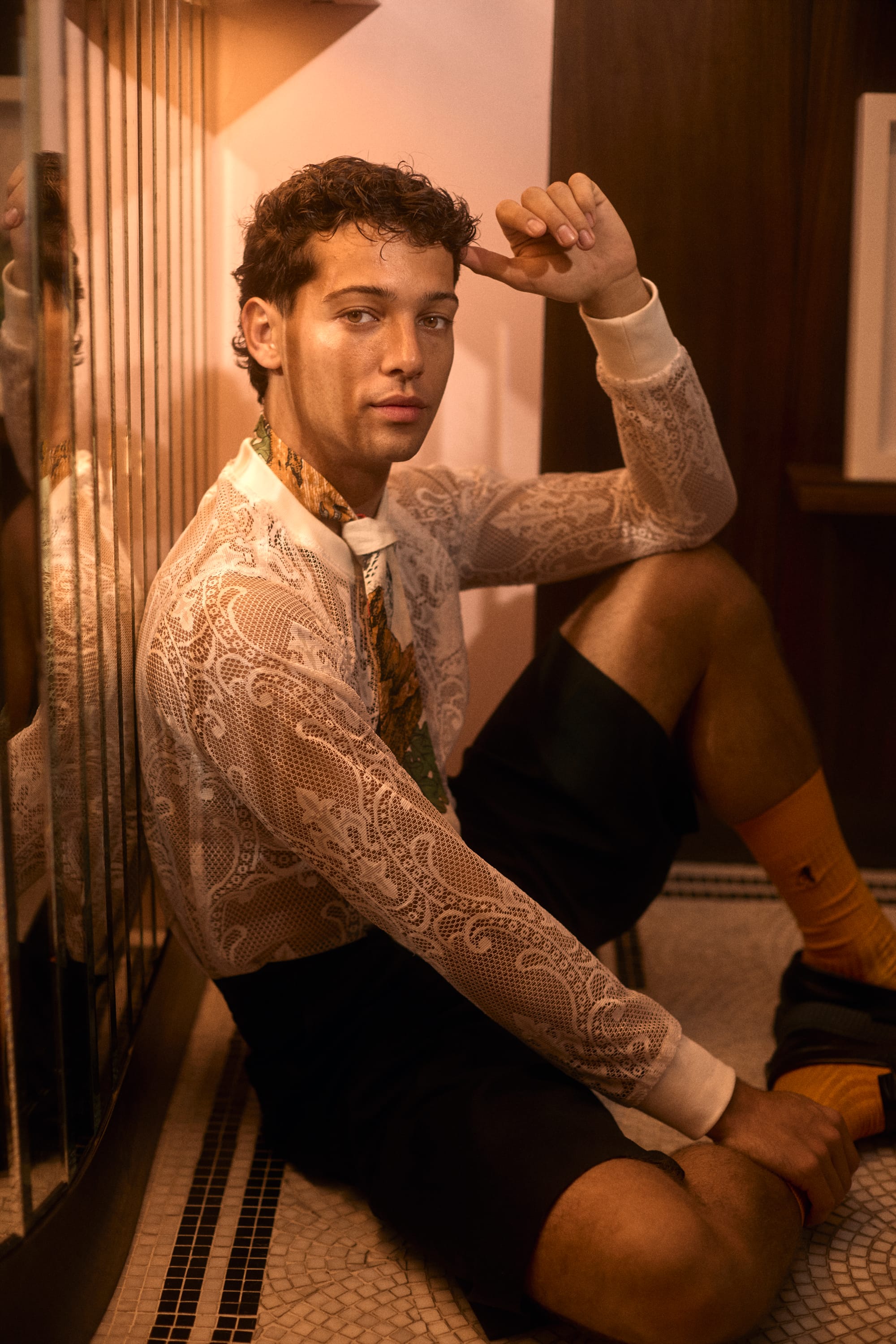
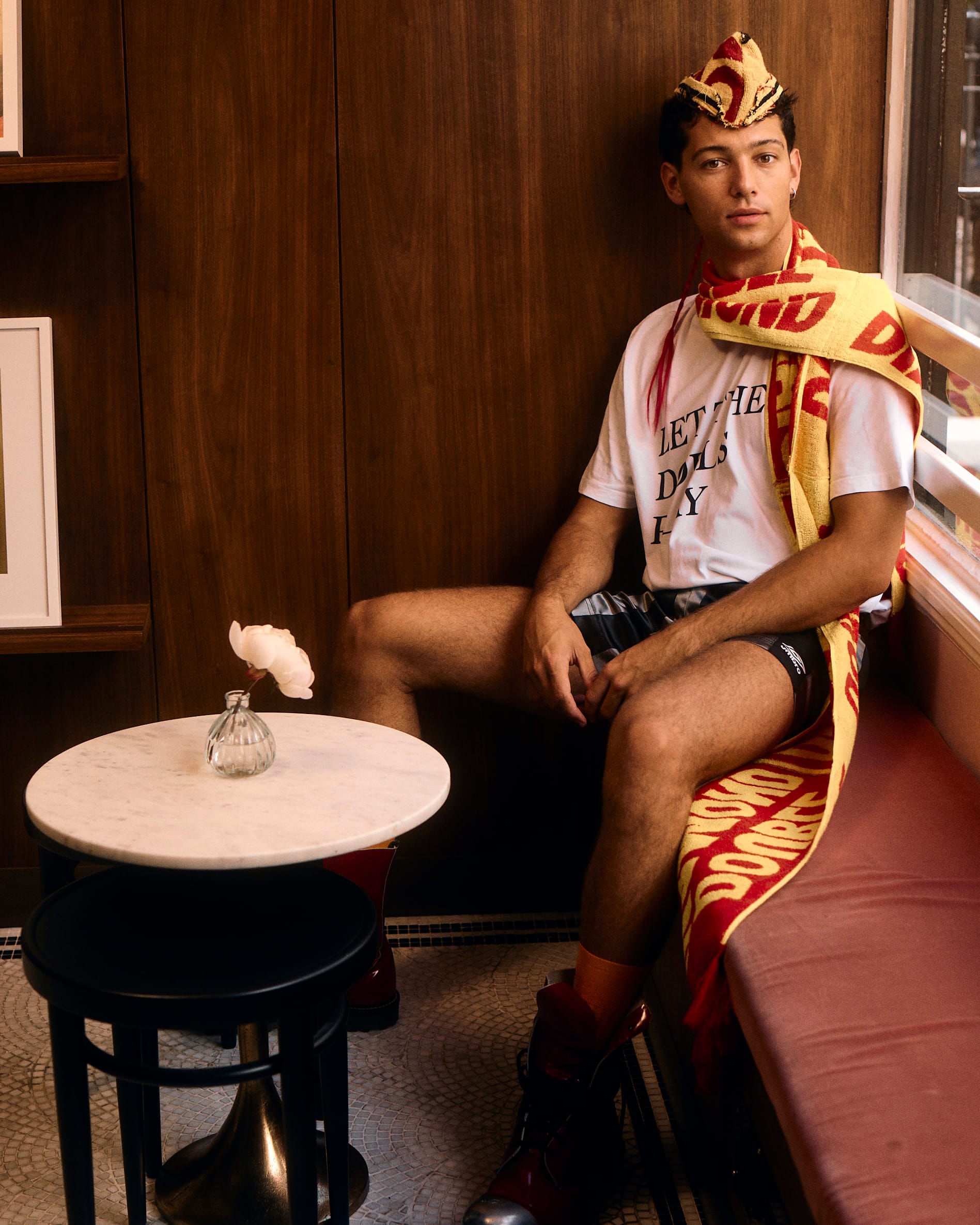
Sat at the custom-built pink onyx marble bar of the BOYS! BOYS! BOYS! Gallery Café, the location for our exclusive photoshoot, Clark touches on what he hopes for Tip Toe’s legacy. “I hope that the legacy of this show is similar to that of Adolescence, a wake-up call to people, something that starts a conversation,” he shares thoughtfully. What he doesn’t want is for it to be as prophetic a show as Years and Years, Davies’ 2019 show that has predicted with horrifying accuracy many events of the last few years, namely a pandemic, Trump 2.0, and the rise of the right. Celebrating Years and Years as “an incredible piece of television,” Clark qualifies, “I wish it was just that,” adding, “I hope Tip Toe’s legacy is it was an incredible piece of television that spoke to the feelings of people at that time, but didn't show what was to come, instead what could have been.” Clark also highlights that the legacy of It’s A Sin, Davies’ tearjerking story about the AIDS Crisis, is referenced in Tip Toe. A subtle shot shows Leo, who is HIV+, taking the medication that makes him Undetectable, which makes him Untransmittable.
Discussing the “richly deserved” and “lovely” reaction to Tip Toe, Clark applauds the way Davies, as well as director Peter Hoar, have managed to fit so many themes from homophobia, transphobia and self-ID to immigration, the cost-of-living crisis, and more into five tight, punchy episodes. “I don’t think many writers have the ability to speak to so many topics without it feeling laboured and keep the story moving while also making sure that those topics are relevant to the story that’s being told,” Clark says. Some have disagreed, “exhausting and unengaging” and entering into soap-box territory among the critiques. While such views may not be invalid, the drama is compelling and the show makes its points well, notably that homophobia is, as Melba says in the show, “back.”
Clark, reflecting on the context in which the show has aired, is scared. Recalling his own coming out seven years ago and the mostly positive experience he had, he wonders aloud, “I don't know if that would be the case today.” The UK’s ranking on ILGA-Europe’s Rainbow Map this year points to a catastrophic fall from grace, owed in part to last year’s Supreme Court ruling on the Equality Act. It’s the kind of fall that should come as a shock to those not on the frontlines of LGBTQIA+ activism. This year’s score of 43.9% marks an all-time low for this country. In 2015, the UK was sat, naively and arrogantly it seems now, in first place.
These statistics reflect the world Clark has moved in himself as a gay man over the last seven years. “I fear a lot for, particularly, my trans siblings because I don't think our own community is taking the threats that are happening seriously.” Going further, Clark – who’s never been afraid to go political – holds nothing back, implicating Prime Minister Keir Starmer’s government in the chaos. “It's such a stain on our country that we've got a Labour government that is allowing the rights of trans people to be eroded in front of our very eyes, a government that would claim to be progressive and came in on a promise of change and the change that they have overseen is one of a degradation of rights.” Clark admits he doesn’t have the answers but hopes Tip Toe can start conversations that turn the tide of rising homophobia and transphobia. He reiterates, “What happens in Tip Toe is a forewarning of what's going to come unless people calm down and listen to each other. What I'm proud of with this show is that it humanises us to people who might just see us as a headline.”
Clark, who rose to prominence via his time on Hollyoaks and has gone on to act in productions such as Jock Night as well as co-found and lead the Manchester-based theatre company, Switch_MCR, had his eyes opened to his sexuality in Davies’ work. Shows like Queer As Folk, Doctor Who, The Sarah Jane Adventures and Torchwood have given queer people of all generations a sense of representation which for so long has been lacking in it. Captain Jack Harkness (John Barrowman) was someone Clark connected to early on. That’s despite Harkness being from the 51st century and American. Davies, a long-time advocate for meaningful queer representation in film and TV, has become an inspirational figure to so many, Clark included. He shares that the two had been friends for several years prior to Tip Toe, with Davies offering advice to the young actor on filming to handling press events. “Having someone have your corner, and he watches everything as well and is really generous. I’m grateful we found a project to work together on,” Clark shares.
Clark’s relationship with his own sexuality has shifted in recent years through work such as Jock Night, in which the 27-year-old only appeared in a jock strap (the title gave that one away). “It really allowed me to reclaim a lot of power in my queerness, in my body, and in my sexuality,” Clark explains. “And then Tip Toe came along and this character [Mikey] who was everything that I feel like I'd been trying to work towards and wish I had when I was younger, this young guy, proud, out, confident, loving his queerness, living his best life. If I'd seen a character like Mikey growing up it would have changed my life because he's from Bolton. I'm from Bolton therefore Mikey is from Bolton, and he sounds like me, he's Northern and he's gay and he's not suffering as a result of his sexuality.” Getting cast in Tip Toe was “the best secret that I told too many people that I've ever had,” admits Clark with the smile.
“Nightcrawler!” Clark exclaims enthusiastically when I bring up Alan Cumming, indicating I have a Marvel fan here. “It was insane,” he adds of working with the X2 actor. “Alan is so lovely, everything you would hope he would be and more. He carries the show with such grace, and I think it really showed us [the younger cast members] what a leading man is and what it means to be number one on a call sheet. He was so kind and welcoming and warm to everyone on the show.” Clark is also full of praise for Morrissey. “[Cumming] and David are unbelievable, powerhouses of performances from both of them,” he says. “Having grown up watching David and Alan, to then be working with them and have them both be so accommodating and welcoming, letting us bring all of ourselves to the role… I think it can be really intimidating working with people like that, and it didn't once feel like that. Alan became everyone's gay uncle and was being cheeky and naughty on set with us and it was just mad.”
Being a Marvel fan myself, and given Clark’s earlier reaction, I have to ask about the upcoming Avengers: Doomsday, which will see Cumming reprise his role as Nightcrawler. “I am a massive Marvel fan,” Clark confirms.” He goes on to say, “We all were asking Alan about Avengers, but obviously he was very tight-lipped because it's incredibly secretive. He did say that it's incredible and that the Russo's have cooked up something magic. I'm incredibly excited to watch it.”
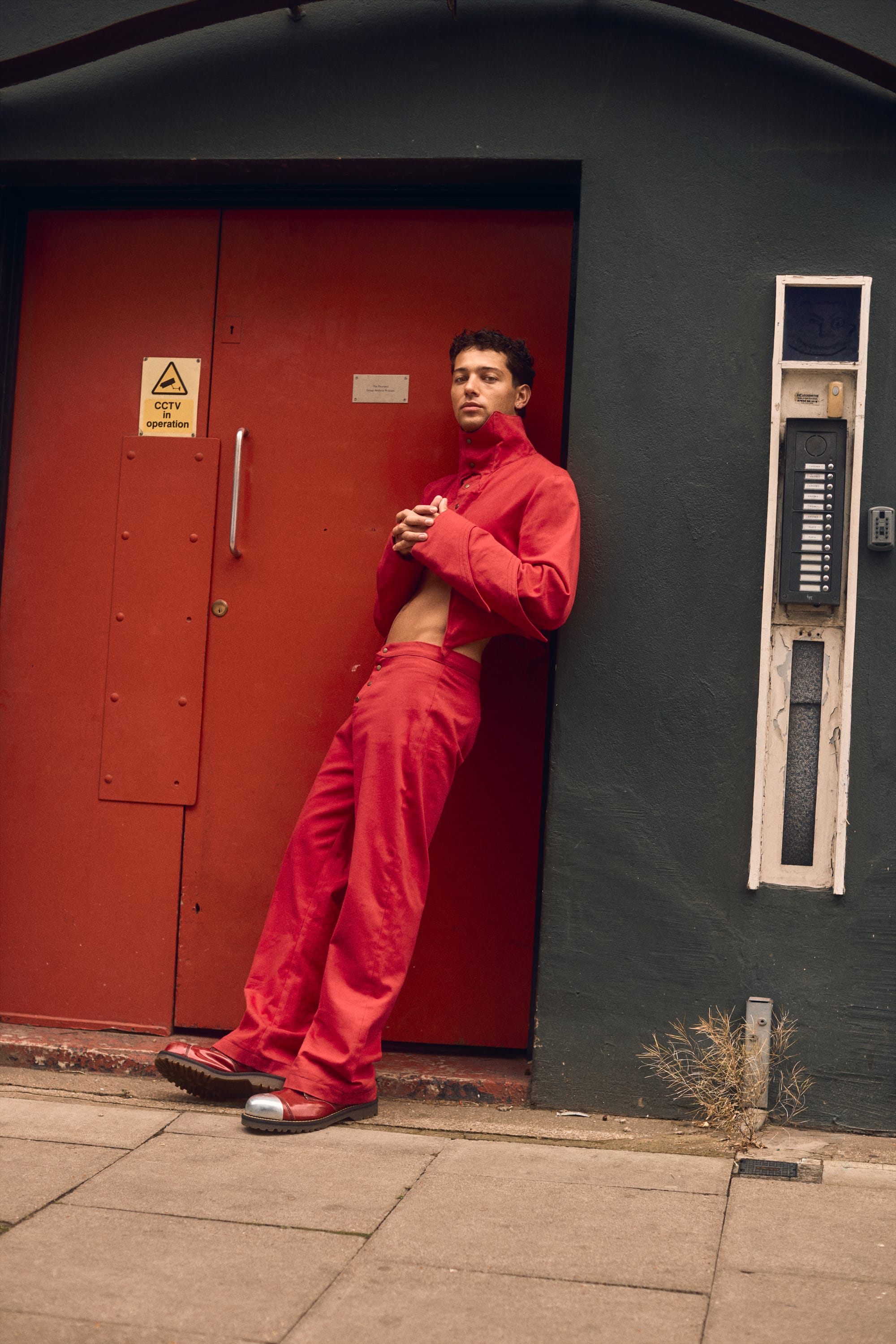
Fashion:
Red suit look: Suit by Kyla-Lily, Boots – stylist’s own
From hot-takes to hard-hitting journalism, our long-reads put you at the centre of queer life and culture. The best LGBTQ writing, insight and opinion, curated for you.
Support our work by subscribing today and enjoy must-read stories by the voices you love.