“We have noticed that some people have fled, while others are hiding; one-third no longer come in to seek HIV treatment,” a doctor in Dakar said.
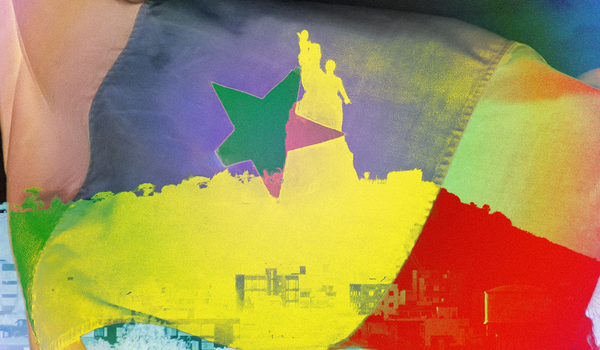
A horrific anti-LGBTQIA+ crackdown is ongoing in Senegal, as several countries across West Africa introduce or pursue tougher restrictions on queer citizens. Here, we explain what is happening in Senegal, how it fits into a wider regional rollback, and what it means for LGBTQIA+ people across the region.
Mass arrests have taken place, forced HIV testing has been carried out, while others are afraid to come forward for testing and treatment. Many more queer people have been forced into hiding for fear of violent persecution.
This comes as multiple countries across West Africa, including Niger, Mali, Burkina Faso and Ghana, have introduced or pursued similar anti-LGBTQIA+ measures in recent years, including lengthier prison sentences and restrictions that have created a chilling political climate for queer people.
The recent crackdown in Senegal
Human Rights Watch has warned in a report of an ‘intensifying crackdown’ against LGBTQIA+ people in the country. Hundreds of arrests have taken place, forced HIV testing is being used, and restrictions on legal representation have fuelled an atmosphere of fear in the francophone west African country.
This follows Senegal’s parliament amending Article 319 of the penal code on 11 March this year, doubling the maximum sentence for same-sex activity to 10 years and criminalising the ‘promotion’ of LGBTQIA+ people or organisations.
According to the HIV Justice Network, more than 300 people were arrested between February and July, including 35 people recently detained on the trumped-up charge of so-called “voluntary transmission of AIDS”. Among those arrested were teachers, students and health workers.
A 21-year-old man arrested last year described his anxious situation in the country: “I received a call from my mother telling me not to come back home. Apparently, my (half) brothers and some of my cousins were waiting for me and ready to teach me a lesson.
“I have been hiding since. I couldn’t even go back home to pick up some stuff. I have withdrawn from several online groups and deactivated my social media.”
A 27-year-old community worker in Dakar also said: “We have suspended all our activities, including online. Now nobody trusts anyone. There is a total lack of security. I know I have one foot in prison.
“I can be arrested anytime because I am a community leader. Even if I am not in prison right now, I live like I am in prison. Life has totally changed.”
It is not just LGBTQIA+ people who are affected. Crackdowns like these put anyone suspected of being LGBTQIA+, or even simply associating with queer people, at risk. Access to legal defence, often the only hope for victims of persecution, is also threatened. These new laws are so strict that lawyers say defending the accused could put them at risk of prosecution themselves.
Senegal is the latest: What’s happening elsewhere in West Africa?
Senegal is not a pariah in the region, for its actions. Several other West African countries have introduced further restrictions on same-sex activity, and on LGBTQIA+ assembly and expression.
The African Inter-Parliamentary Conference on Family Values, backed by right-wing Western organisations, has helped push this transnational homophobic agenda.
The latest conference, held in Ghana in August, produced a draft charter calling for the coordinated rejection of LGBTQIA+ expression, cloaked in the language of African sovereignty.
A section of its preamble refers to the influence of “harmful sexual and gender ideologies into our societies, which in the aggregate constitute a stealth sexual-social and cultural re-colonisation of African States”.
Earlier this year, Niger introduced prison sentences similar to those in Senegal, and multiple arrests quickly followed. Similar measures were introduced in Mali in 2024 and Burkina Faso in 2025.
Burkina Faso, unlike many other west-African countries, did not sustain a colonial penal code outlawing same-sex relations - these were legalised in 1996. The move was a flagrant rollback of rights.
The new law was introduced under Burkina Faso’s military leader, Ibrahim Traoré, who seized power in a coup in September 2022. His government’s decision to criminalise same-sex relations is one of a series of measures framed around national sovereignty and resistance to Western influence.
Caroline Kouassiama, executive director of ISDAO, a regional feminist and LGBTQIA+ rights group, described the situation in the region as “an unprecedented challenge marked by hate speech, organised political and religious attacks, as well as alarming restrictions of civic space, access to justice, and healthcare”.
Why is this happening?
Anti-LGBTQIA+ sentiment in the region has deep and sustained roots. “Sodomy” laws have their roots in European colonialism, but recent legislative changes and political attacks have taken on a new edge. It is increasingly framed as a rejection of Western values, while also acting as a cultural rallying cry, in countries with deep ethnic and religious divisions.
Anthony Oluoch of Pan- Africa ILGA, a South Africa based LGBTQIA+ rights group, told The Guardian: “What I see in all of them is political opportunism.”
He believes that, for some, the laws are part of a family values movement steeped in tradition, while others frame them as a way of asserting sovereignty in the face of the West. Queer people turned into the convenient symbol of an internal enemy.
The group also warned of the international dimension to the anti-LGBTQIA+ laws: “Anti-rights forces are advancing across the world, and Africa is firmly in their sights. The global shift to the far right is giving fresh energy to attacks on bodily autonomy, gender justice, civic space, and the rights, dignity and safety of LGBTIQ+ people.
“This backlash is organised across borders. Anti-rights actors are sharing language, tactics, money, and strategy internationally, and our movements are carrying the cost.”
Funds are reportedly flowing in from US and European organisations, with evidence suggesting that such groups are supporting anti-LGBTQIA+ and anti-abortion-rights efforts on the continent.
Larissa Kojoué of HRW said: “The ‘African values’ and ‘sovereignty’ arguments are just part of a transnational conservative project shaped by actors and agenda that extend well beyond the continent.”
Why aren’t we talking about this and what can I do?
Africa as a continent is widely underreported in western media channels; violent anti-LGTBQIA+ laws rarely cross the radar of western audiences. But these currents in west Africa should not go unnoticed, and the international community - including our own communities at home- should listen up. The rollback has global ramifications.
Despite the crackdowns facing little resistance, LGBTQIA+ organisations and grassroots groups across West Africa continue to provide vital support to queer people facing persecution. You can support groups such as ISDAO and Pan Africa ILGA, who defend LGBTQIA+ human rights and press governments to halt their campaigns of persecution.