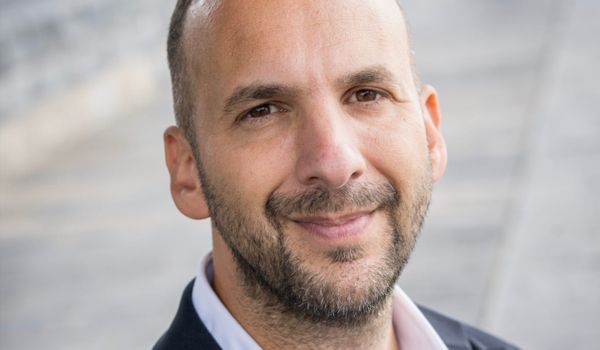
Green Party leader Zack Polanski: ‘We need a society where HIV is met with openness, not stigma’
Philip Baldwin speaks with Green Party leader Zack Polanski for World AIDS Day about the party’s HIV priorities, from ending transmissions by 2030 to tackling stigma and expanding access to testing and PrEP.
Zack Polanski was elected leader of the Green Party on 2 September 2025. It was a landslide win for the Member of the London Assembly, which surprised many people but reflects Zack’s broad appeal, resonating with voters on issues from the cost-of-living to foreign policy.
In the past two months I’ve attended events where I’ve spoken to people within the LGBTQIA+ community, as well as allies. Across different demographics, countless people keep telling me that it is Zack who is giving them hope for the future, from trans people who simply want to be treated with dignity to straight couples in their twenties who would like somewhere affordable to live.
Green Party membership is soaring, past 140,000 in late October, and it is clear that many people think Zack has the solutions to the many challenges our country is facing. As someone living with HIV, I was therefore very excited to speak to Zack about HIV.
Can you summarise the Green Party’s policies around HIV?
Yes – the biggest thing is around awareness, so that people know that anyone who is living with HIV and is undetectable cannot pass on HIV. Also, making sure that we are investing in new research and that people are aware of their own status, so that we can end new transmissions by 2030. There is the broader point of reducing stigma for people living with HIV.
Do you think the UK can achieve the goal of ending new HIV transmissions by 2030?
Absolutely, but only if we put the funding that needs to happen in place and raise awareness. It’s really important to emphasise that undetectable equals untransmittable (U = U) and ensuring that we’re doing everything to remove the stigma. It’s by removing the stigma that we have more open conversations, particularly with young people, which means that people are more likely to be tested. Also, we need proper funding for initiatives such as Post-Exposure Prophylaxis (PEP) and ensuring that people know their own status.
From hot-takes to hard-hitting journalism, our long-reads put you at the centre of queer life and culture. The best LGBTQ writing, insight and opinion, curated for you.
Support our work by subscribing today and enjoy must-read stories by the voices you love.