

The personal significance of La bola negra for Guitarricadelafuente
The Spanish singer-songwriter speaks with Gay Times about his acclaimed role in La bola negra, including his surprising connection to the story and its impact on young queer people.
The Spanish singer-songwriter speaks with Gay Times about his acclaimed role in La bola negra, including his surprising connection to the story and its impact on young queer people.
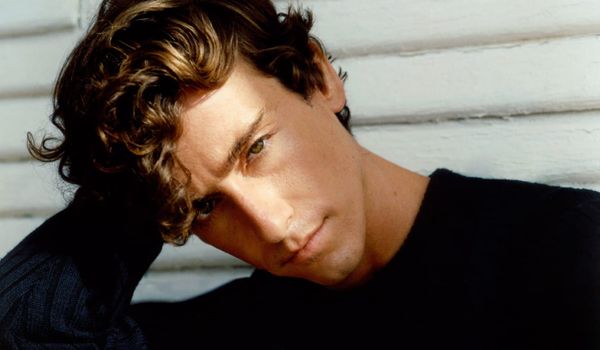
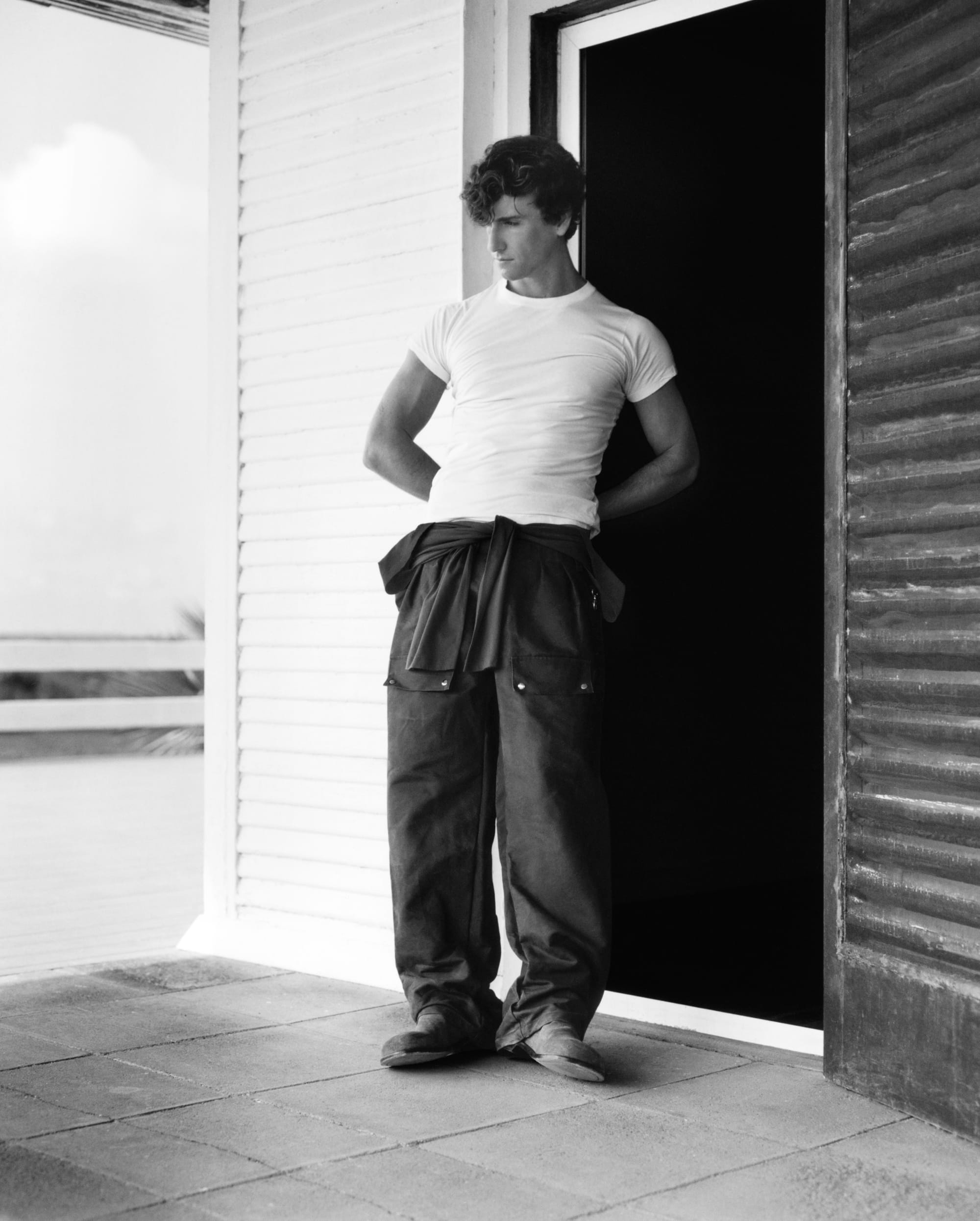
Photography by Jorge Perez Ortiz
With two top-three albums under his belt in his native Spain and more than 700,000 Instagram followers, Guitarricadelafuente has emerged as something of a queer icon in the country. Tracks such as ‘BABIECA!’ and ‘Full time papi’, taken from Spanish Leather (what a killer title), see the 27-year-old lean into the pleasures of being young, gay and gloriously uninhibited.
It was while working on the album that Guitarricadelafuente was approached for his film debut, playing Sebastián in Los Javis’ sweeping queer epic La bola negra. Spanning three timelines – 1932, 1937 and 2017 – the film weaves together the lives of three gay men, with Guitarricadelafuente stepping into a role defined by a repression that stands in stark contrast to his music.
In the film, which is already tipped as a major Oscars contender, Sebastián is a young trumpeter navigating his sexuality amid the brutality of the Spanish Civil War. Forced into the Nationalist forces, Sebastián's world shifts when he encounters Rafael Rodríguez Rapún (Miguel Bernardeau), a wounded Republican prisoner of war who awakens desires he has never been able to name. Through Rafael, he also discovers the poetry of Federico García Lorca, whose unfinished queer work inspired the film’s title.
Here, Guitarricadelafuente opens up about stepping into the role of Sebastián in La bola negra, his own surprising connection to its story, and the importance of giving a voice to those whose lives were never allowed to be lived freely.
I read the whole script, but it wasn't until I saw the movie for the first time in the cinema that I properly understood how the three stories were going to intertwine. This was difficult for me when I was proposed to write the original song, because I believed that I had to understand the story as a whole to represent it the most faithful way possible.
"I was living in Cantabria, waking up and going to bed with all that frustration and hostility in my body. I was exhausted, physically."
When I finished shooting the film I had all the emotional baggage of the character, which allowed me to sit down like, ‘Okay, let’s get all of this out.’ I had this long day of shooting with Miguel, the day when our journeys divided. I was living in Cantabria, waking up and going to bed with all that frustration and hostility in my body. I was exhausted, physically.
Starting to write was very useful for me, and it was beautiful to see how they put it in the film because they edited the intertwining of the three songs, which is called ‘La Nieve’. In Lorca’s poetry, snow represented the end of a journey. It was ironic to see how, when the three stories reach the end of their journeys and death is coming ahead, that’s when the characters decide to live freely – because they know everything’s going to end. It was beautiful to see this song in a very cathartic moment in the movie.
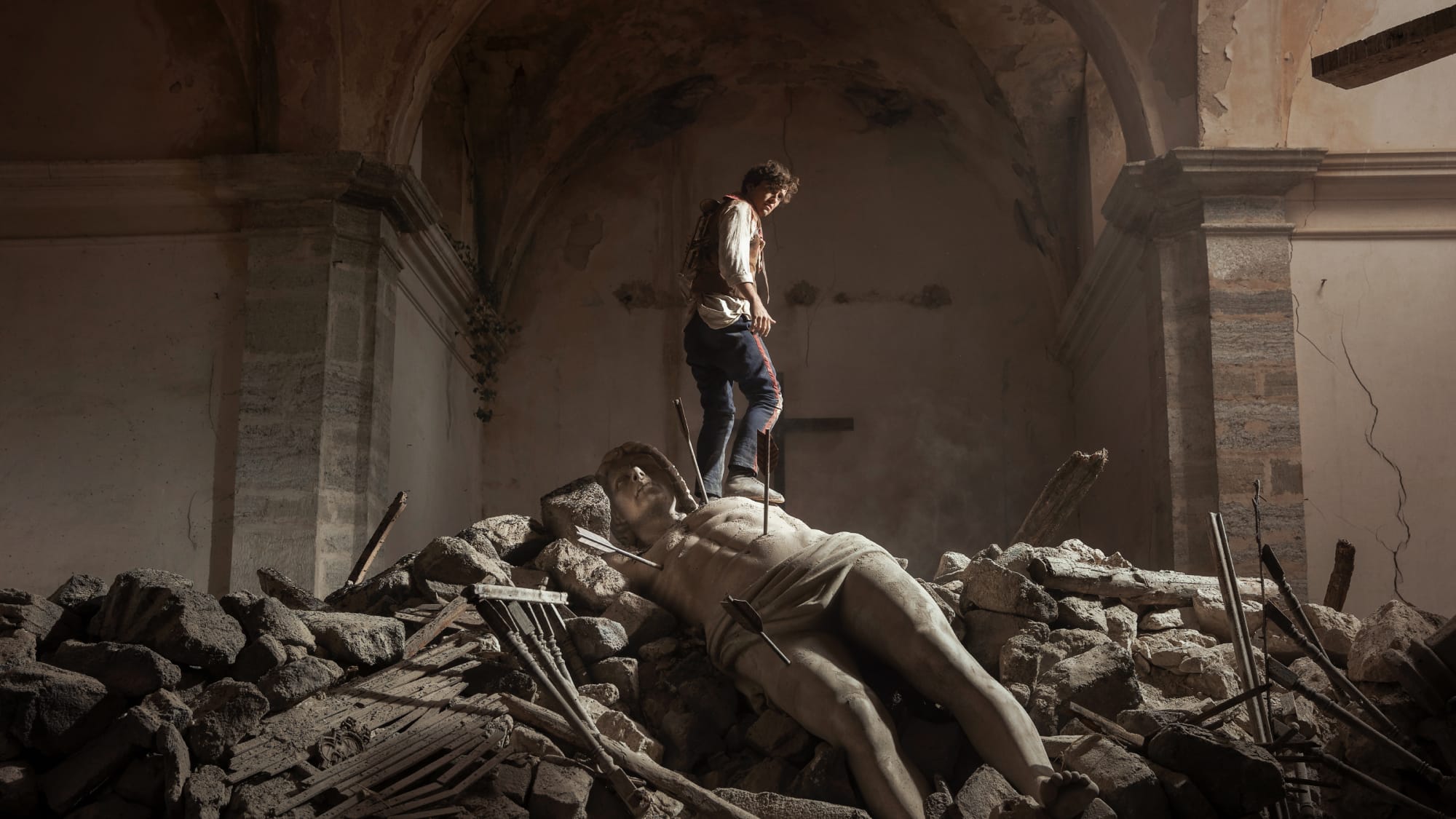
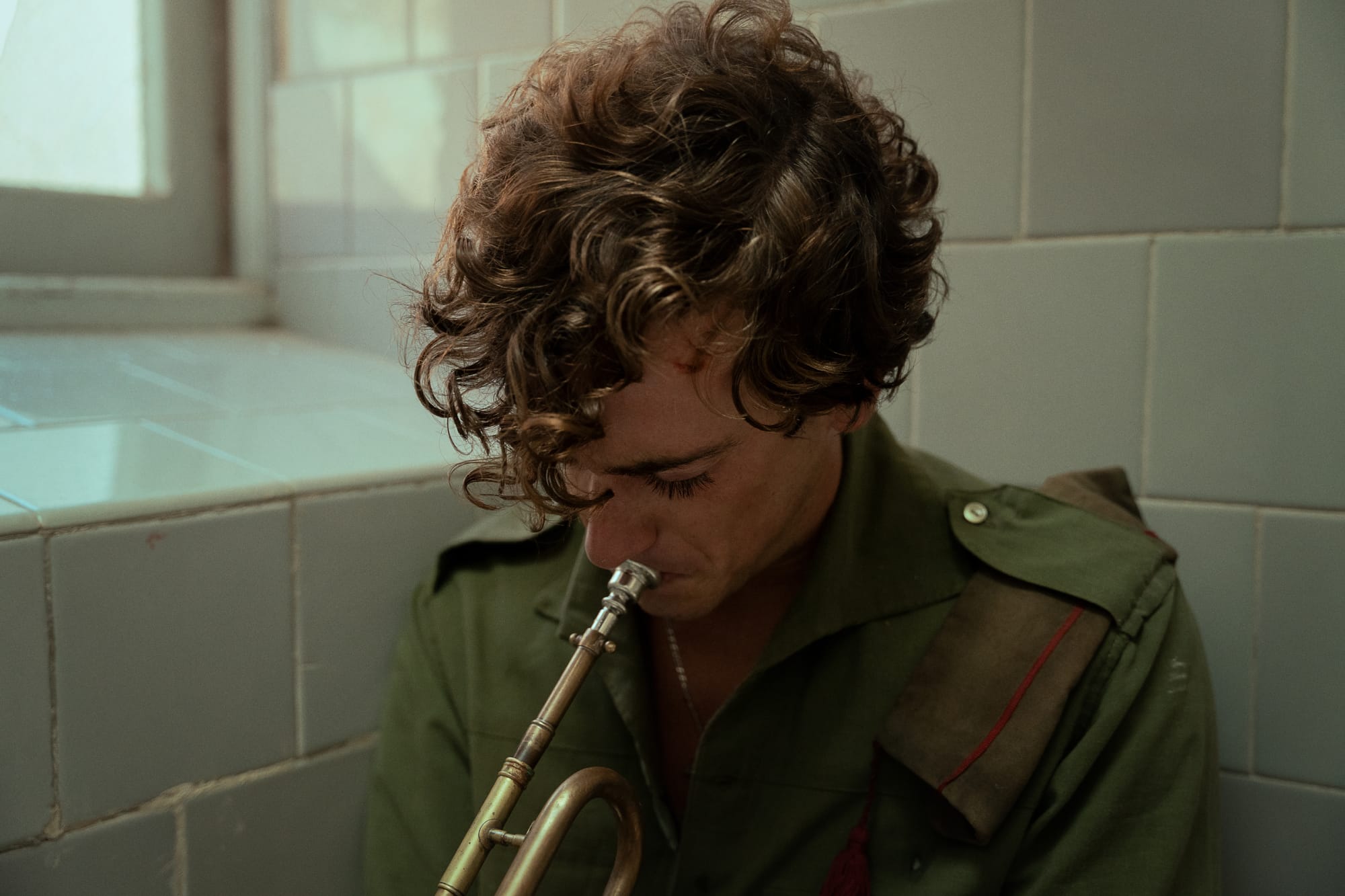
Yeah, it was pretty heavy. The only way that I saw myself capable of [writing this song] was soaking everything in and living it in my own skin. That, in a way, was very exhausting physically and it unveiled a lot of things about myself.
If I take part in a project, I wish for what I'm doing to serve a purpose – to help something happen or contribute to something communal. I want it to help me evolve as a persona and nurture me. And if it can help other people, then its purpose is accomplished.
'I was just finishing an album that was about the journey of a young gay man finding himself in the world. Suddenly, to confront a role where he is not even able to allow himself to discover that, created a conflict in me.'
Totally. At the time they offered me the role, I was just finishing an album that was about my own personal self-discovery, the journey of a young gay man finding himself in the world and his relationship with his desire. And suddenly, to confront a role where he is not even able to allow himself to discover that, created a conflict in me.
I also feel that when you go on stage to perform your songs, you’re playing an alter ego of yourself. You’re playing characters who are aspirational for you and for many people who, in their own lives, cannot be that. In this case, it was difficult to play someone with such a depth and alignment with my own life. I think it was very powerful, but also very demanding, to dare to be myself on the big screen and play Sebastián as though I was living his life in the 1930s.




£12.99 Monthly
£57.99 Annually
Cancel anytime
No results found. Try a different search.