

Inside Jordan Rossi's immersive HOMECOMING exhibition
Photographer and director Jordan Rossi takes us inside his first exhibition, HOMECOMING.
Photographer and director Jordan Rossi takes us inside his first exhibition, HOMECOMING.
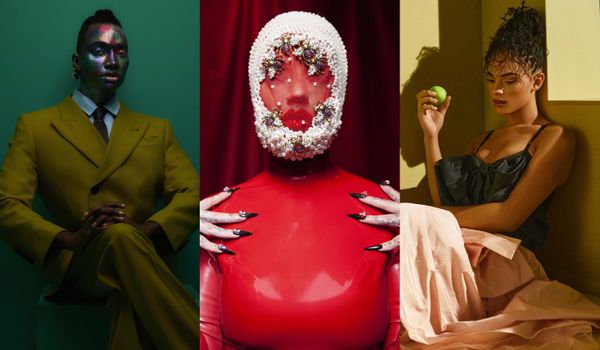
With his immersive exhibition HOMECOMING, photographer and director Jordan Rossi has achieved an incredible career milestone. Curated by Federico Poletti, the project – currently on display at the Galleria Rubin in Milan – takes a deep dive into different forms of identity and representation, rich celebrity culture, and the evolving language of contemporary masculinity.
Through his dynamic portraits, Rossi encourages viewers to reflect on the cultural shifts and generational transformations shaping not only our present but our future. While HOMECOMING is an expansive project, it wasn't originally conceived as a single project. "It only came to fruition when I started looking back at the work I'd made over the last decade and realised that I'd been asking the same questions again and again," Rossi tells Gay Times.
Beyond striking colour palettes and graphic compositions, the photos in HOMECOMING highlight each subject's emotional complexity, adding new layers to his captivating storytelling. In light of his Italian debut, we chatted with Rossi about bringing HOMECOMING to life, the importance of queer identity, the challenges he faced during the creative process, and more.
Thank you! It feels slightly surreal. I've spent the last decade making work and constantly moving on to the next thing, so I'm not always the best at stopping and appreciating what I've actually made. I find nostalgia in your work is rarely a good thing. As an artist, you have to keep moving forward. The moment you start looking backwards, you risk becoming a pastiche of yourself. I’m much more interested in what I haven’t done yet or what makes me slightly uncomfortable, because that is where creativity lies. But having all of these images physically together in a gallery has forced me to appreciate what I've crafted over an extended period of time.
There's also something deeply personal about it being in Milan. I grew up in an Italian-Irish family, and my Italian heritage has always been a huge part of my upbringing. I mean, Rossi is like the "Smith" of Italy! So to have my first major solo exhibition in Italy, during Milan Fashion Week, feels like things have come full circle. That's really where the title HOMECOMING came from. It's a debut, but it also genuinely feels like coming home.
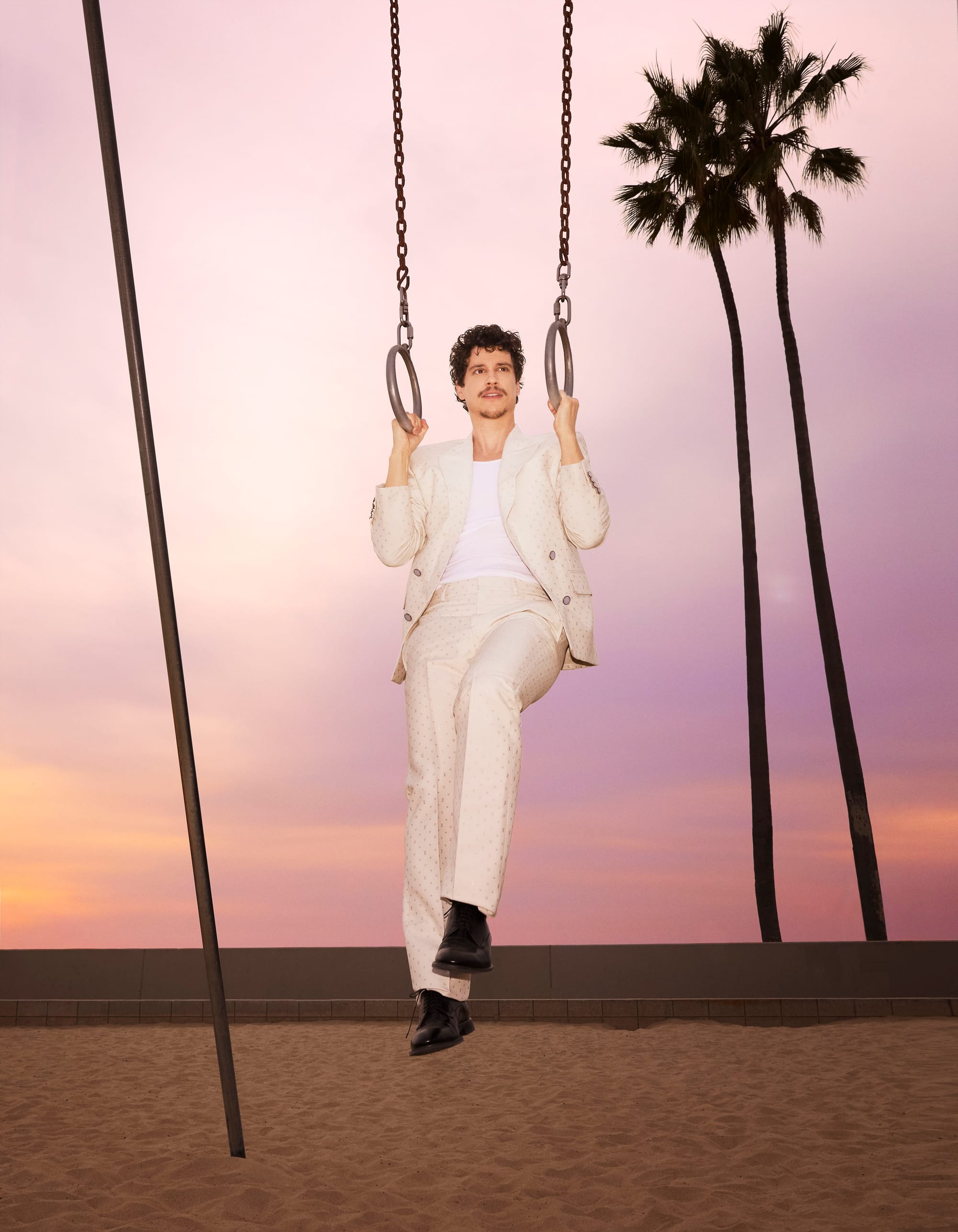
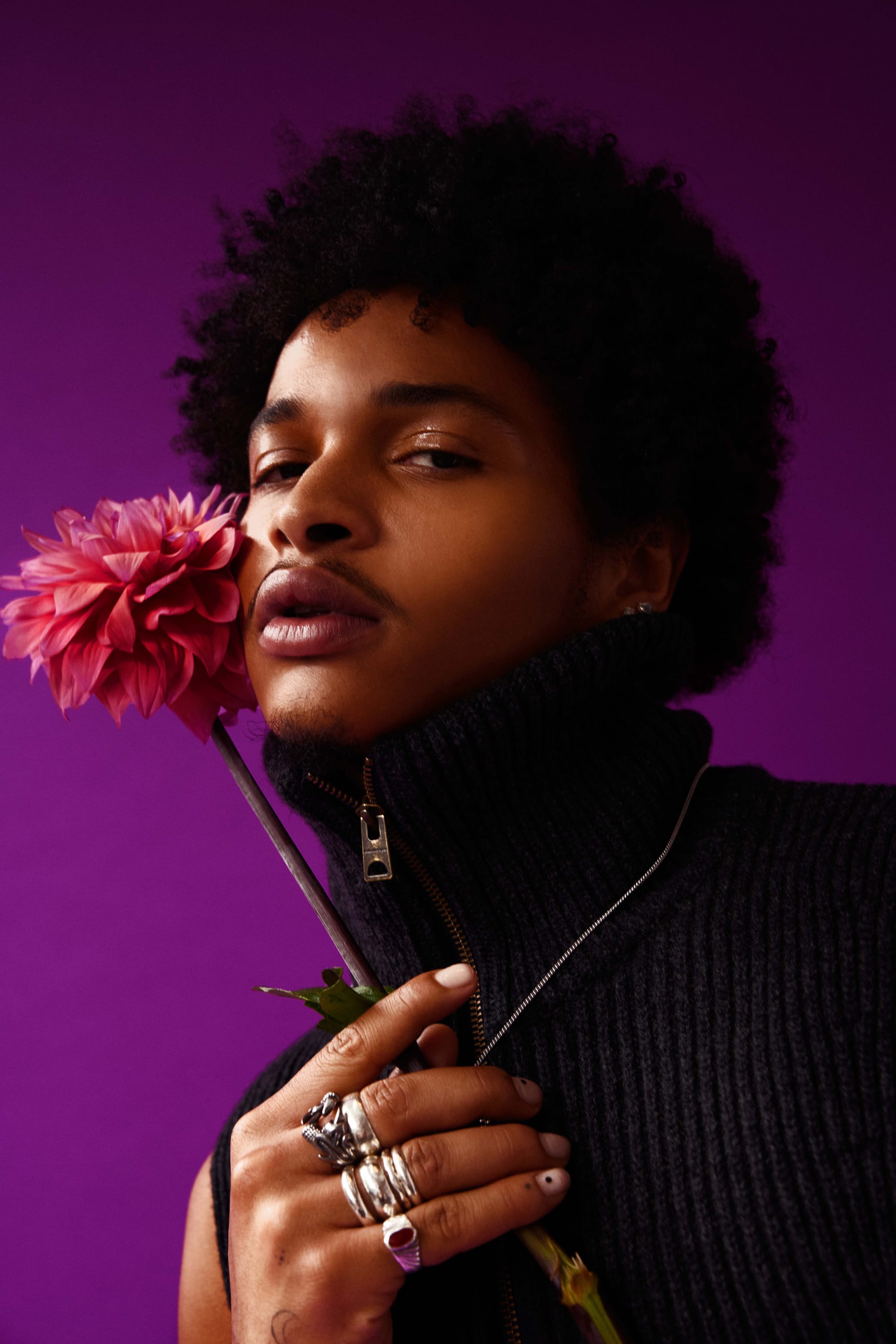
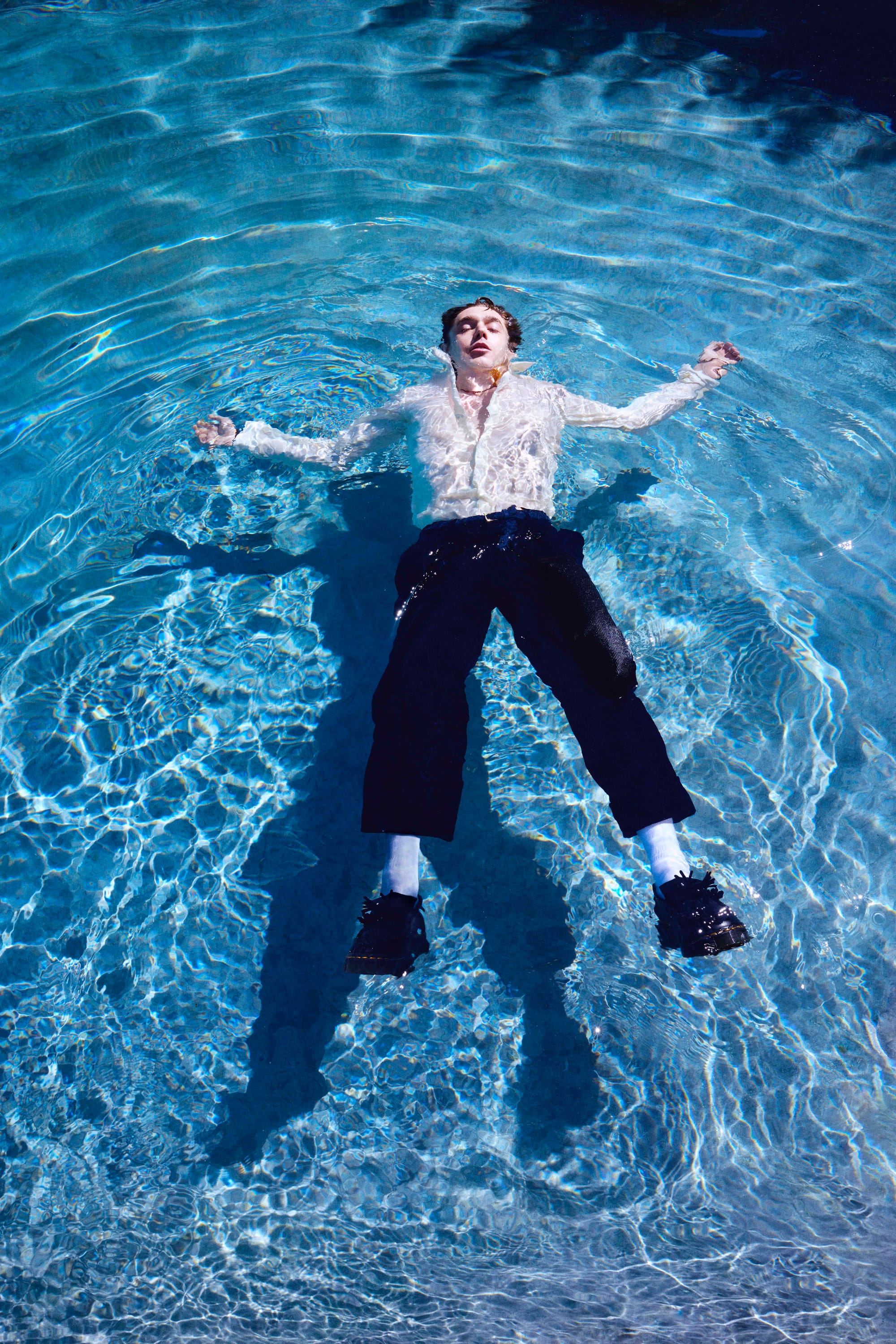
HOMECOMING was never conceived as a single project. It only came to fruition when I started looking back at the work I'd made over the last decade and realised that I'd been asking the same questions again and again. I've photographed actors, musicians, models, athletes, activists and people from the queer community, often for completely different reasons and in completely different contexts. But when I started putting the images next to each other, there was this conversation happening between them about identity, masculinity, fame, sexuality and the way we choose to present ourselves to the world.
So the process became quite archaeological. It was less about creating a body of work specifically for an exhibition and more about looking back and understanding what I had been saying all along. Federico Poletti, who curated the exhibition, was really instrumental in helping make those connections and turn ten years of work into something that felt cohesive.
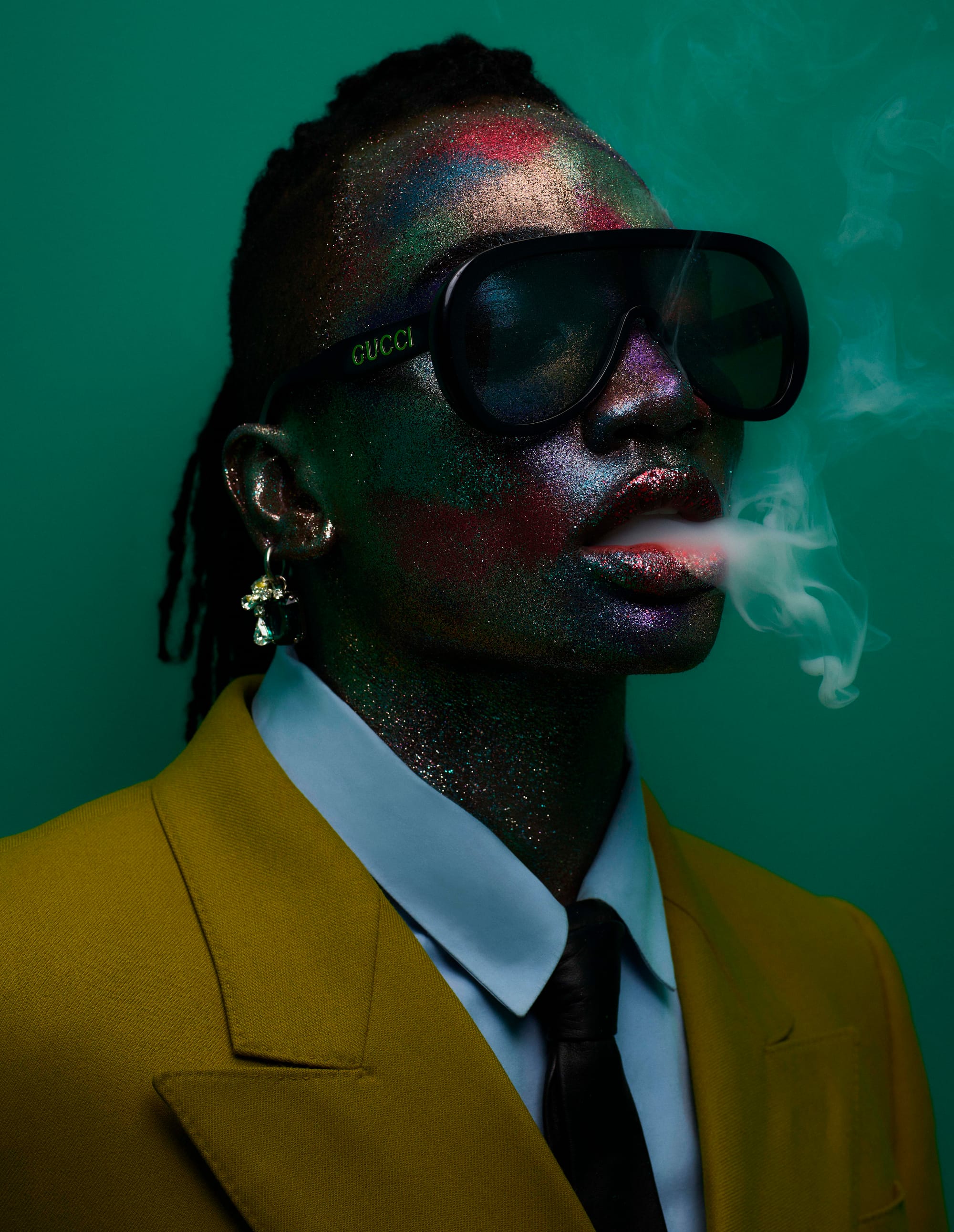
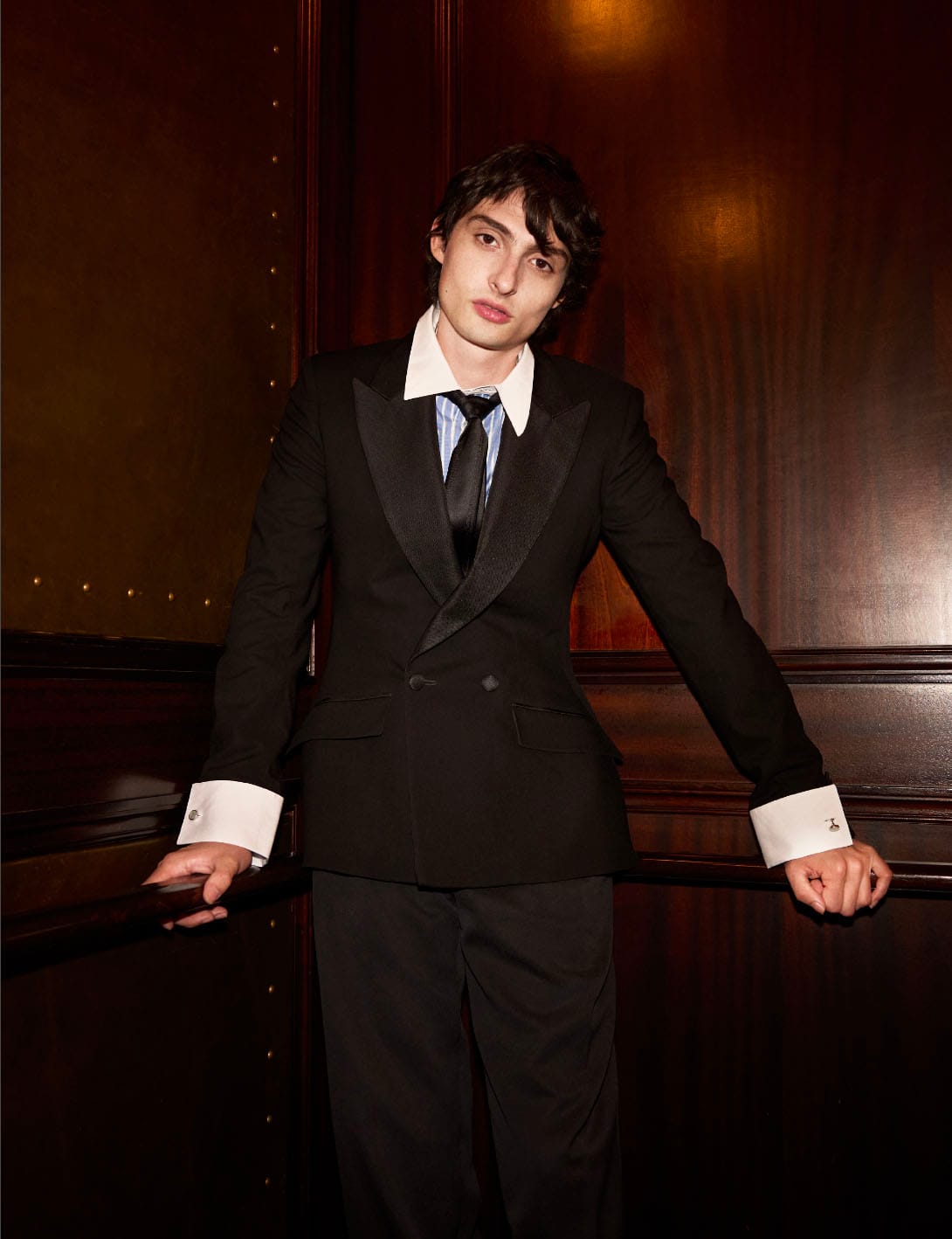
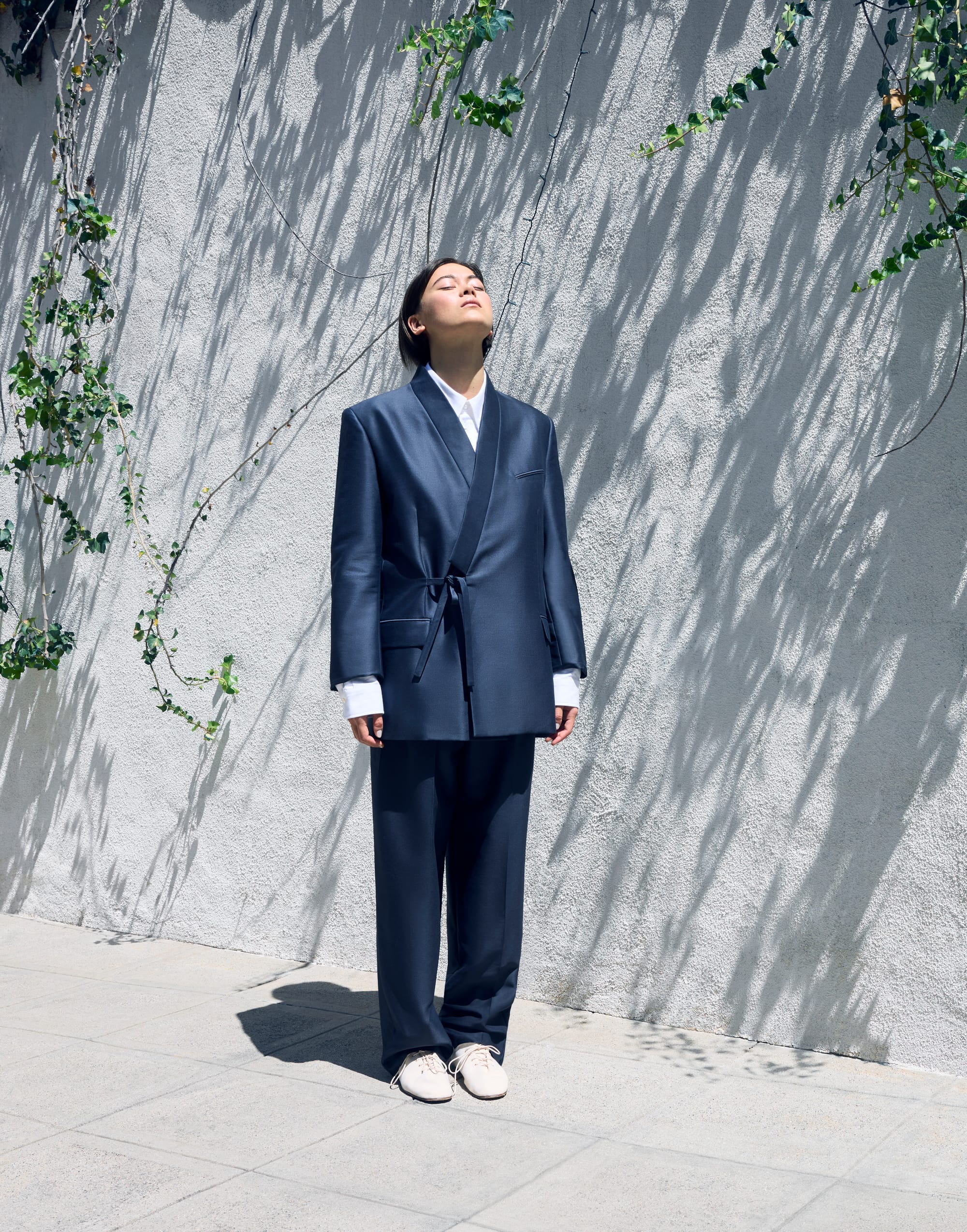
Identity is the thread running through everything. I'm fascinated by the distance between who we are, who we think we are and who other people expect us to be. Then there are ideas around masculinity, queerness, celebrity and representation. Some of the people in the exhibition are incredibly famous and have been photographed hundreds of times, while others come from queer communities that historically haven't been afforded anything like that degree of visibility.
Putting those images in the same space creates an interesting conversation about who gets photographed, who gets celebrated and who gets remembered. But underneath all of that, it's simply people I can't get enough of. I'm nosy in the best way, and photography gives me permission to look at someone that closely. For a brief period of time, somebody allows you to look at them honestly. That curiosity sits underneath everything I do.
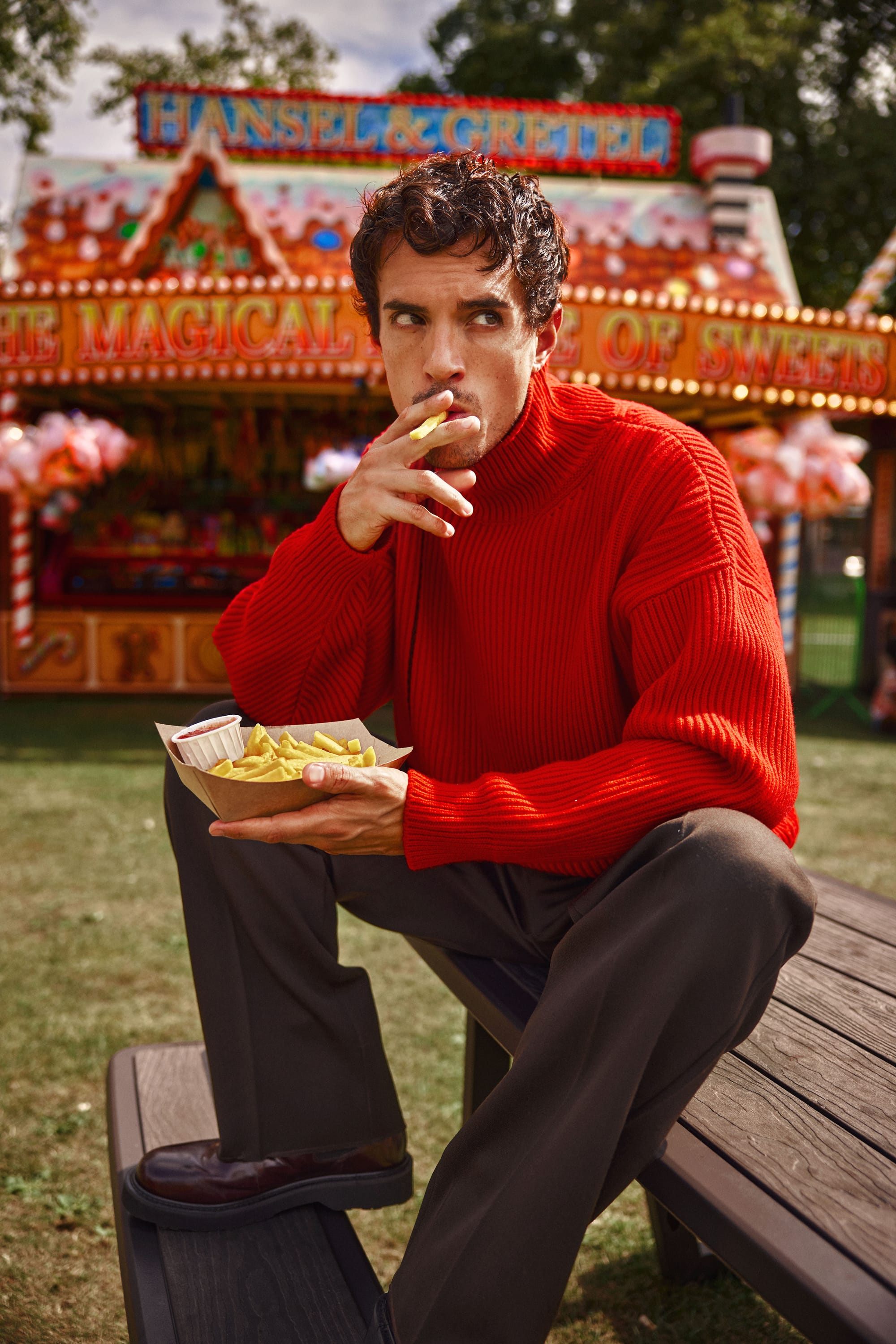
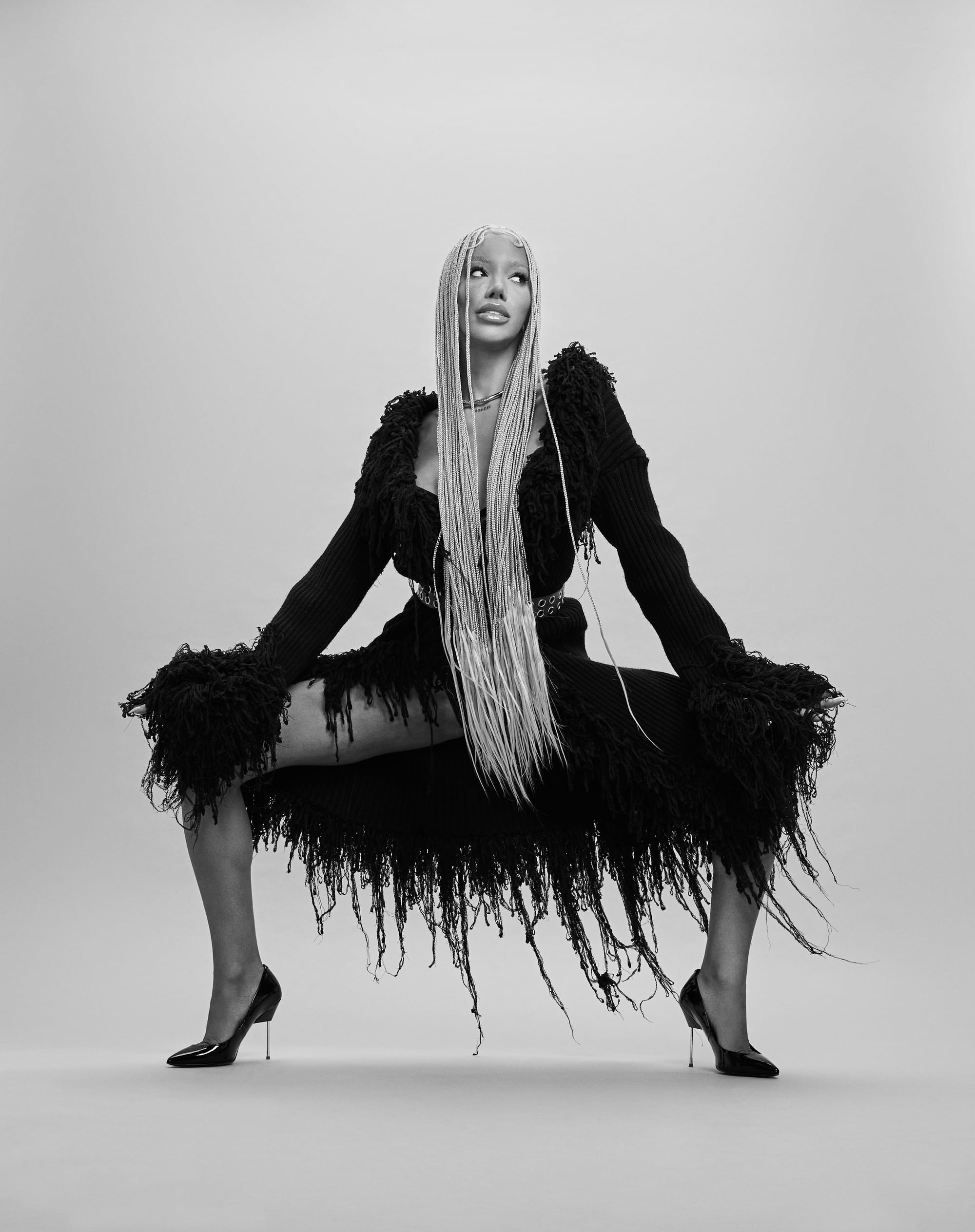
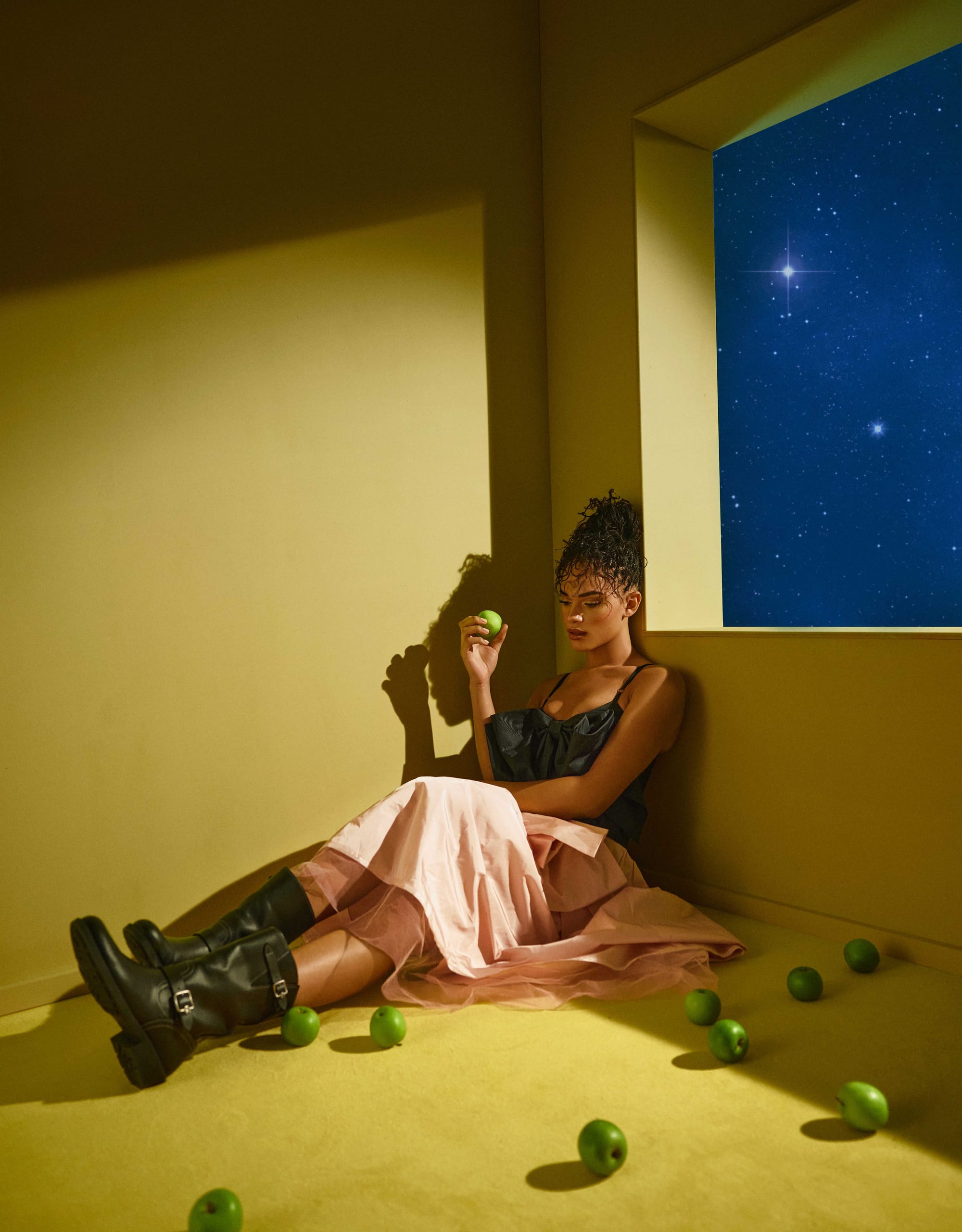
Choosing the work was hard, if I'm honest. Ten years of photography suddenly had to become a finite number of images on a wall, and as a Pisces, I'm hopeless at that kind of decision. There are photographs I love because I remember everything surrounding the day we made them, but that doesn't necessarily mean they're the right images for this exhibition. I had to learn to separate my emotional attachment to an image from what actually served the show. It's the same feeling you have on set. Sometimes there's an image you're immediately drawn to, but it doesn't necessarily serve the story you're crafting.
There was also the practical challenge of making photographs created across completely different periods and circumstances speak to one another. Some were made for magazines, some for personal projects, some with enormous teams and others with just me and the subject. The challenge was finding the underlying conversation between them rather than forcing them into one aesthetic.
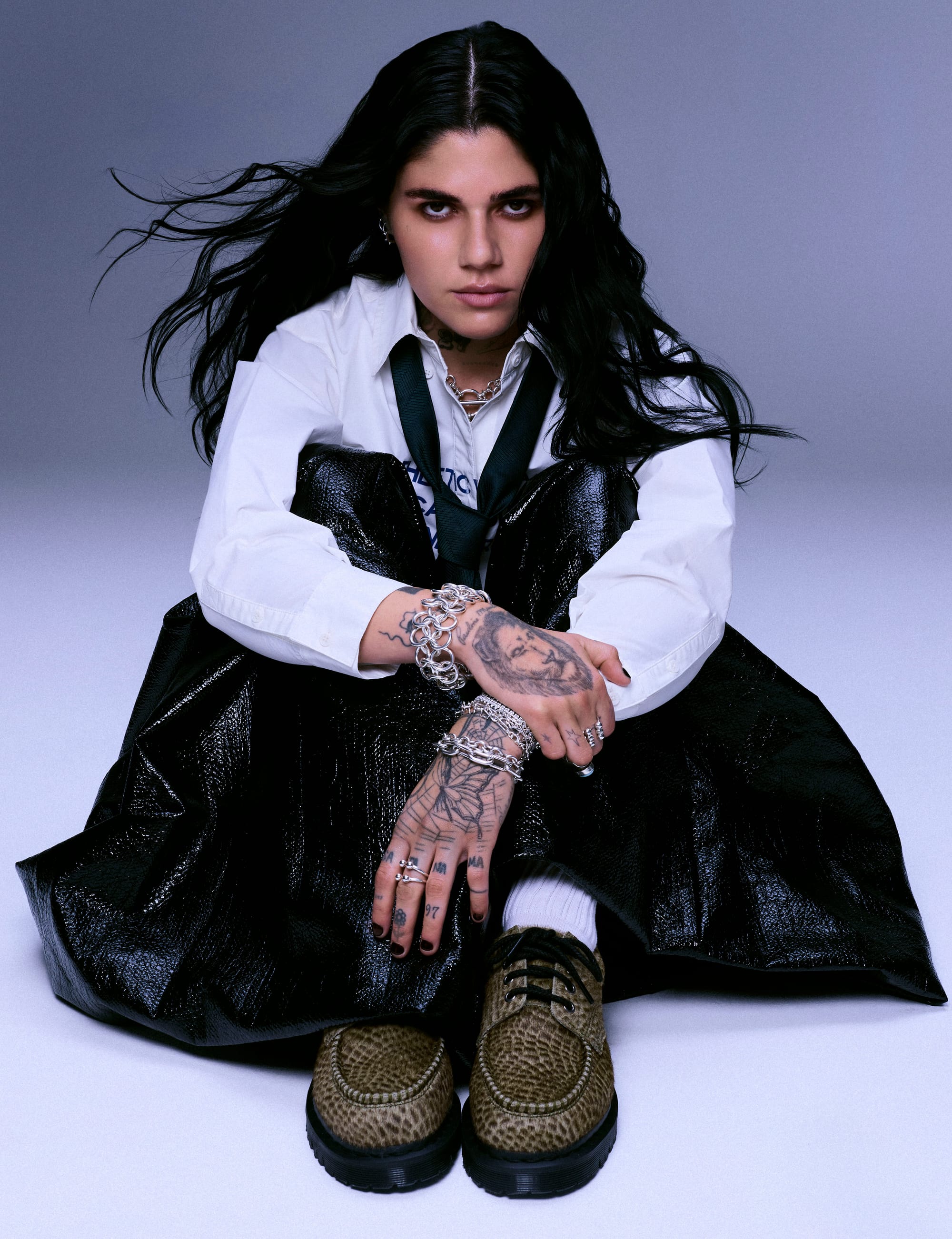
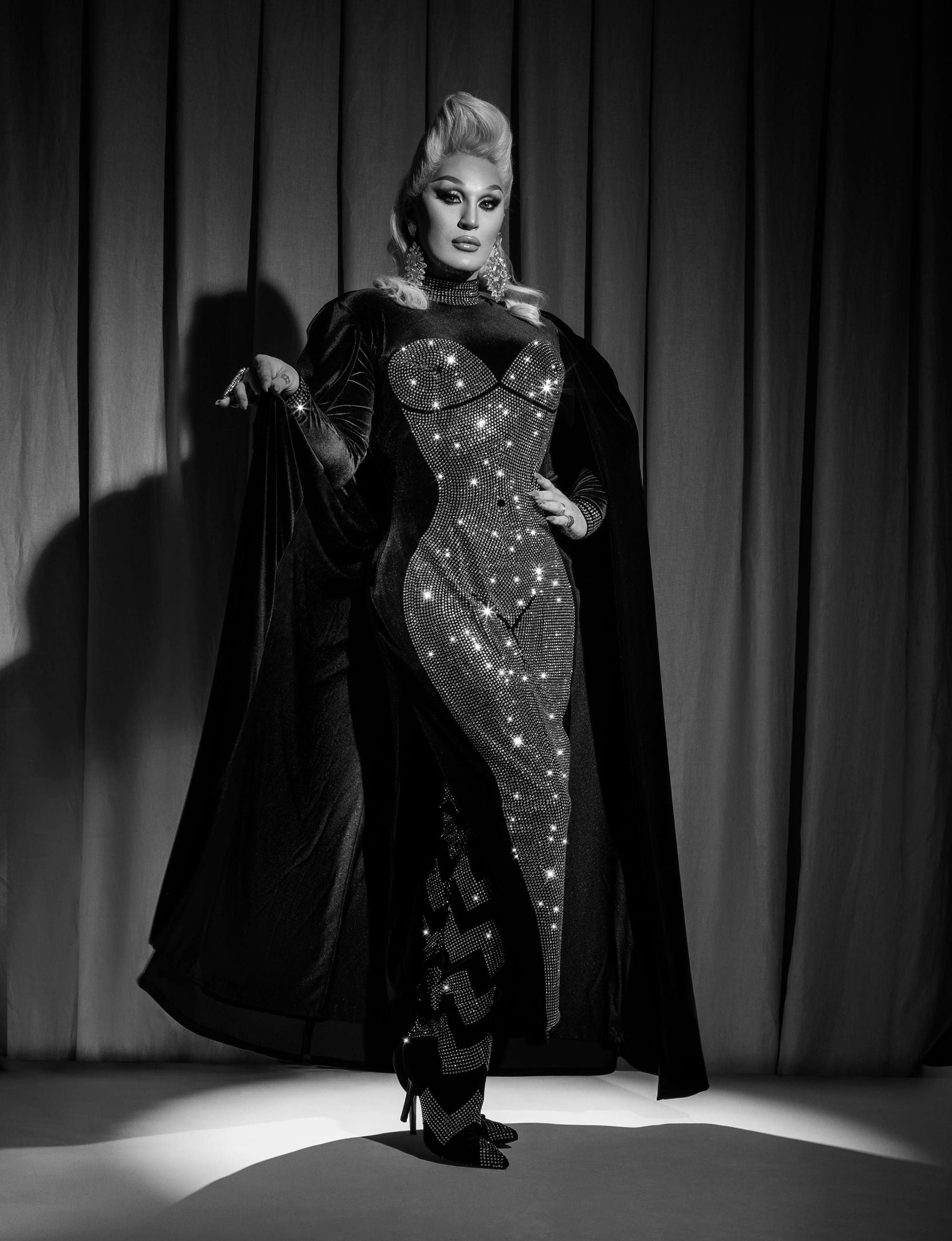
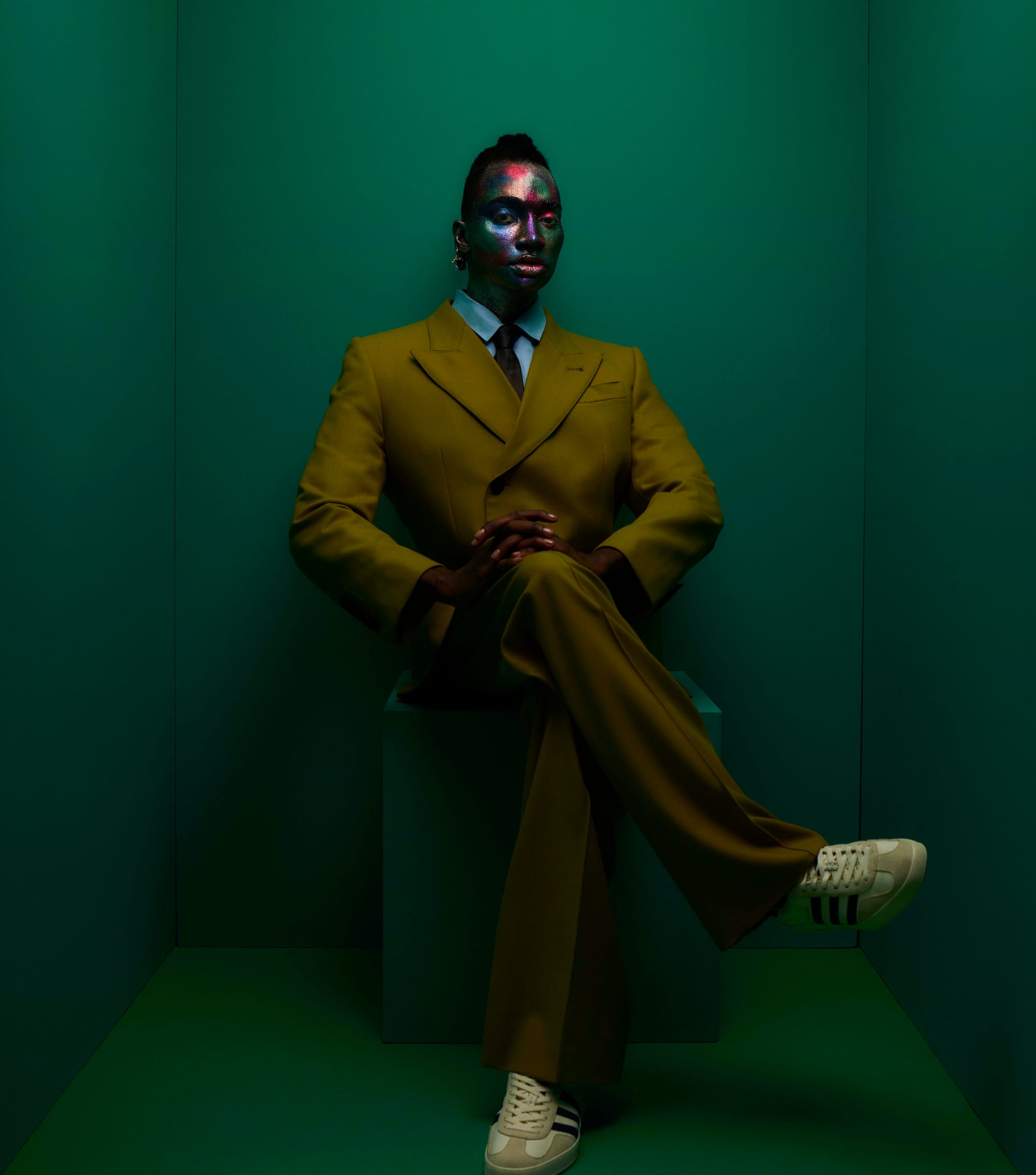
Every experience is completely different, which is probably what I love most about portraiture. You can't apply exactly the same process to everybody because everybody walks onto a set carrying something different. I honestly believe portraiture is a window into someone else's world, and I'm always looking for something that hasn't been seen before. Particularly when I'm photographing celebrities or people of note, I'll look at previous shoots they've done and ask myself, "Okay, what can I do that's different? How can I put my Jordan Rossi stamp on this?"
The best shoots are collaborations. I can have a clear idea of the lighting, styling or composition I want to explore, but then the person arrives and brings themselves to it. That's when it becomes magic. If I'm simply imposing my own vision onto somebody, I don't think I'm doing my job particularly well.
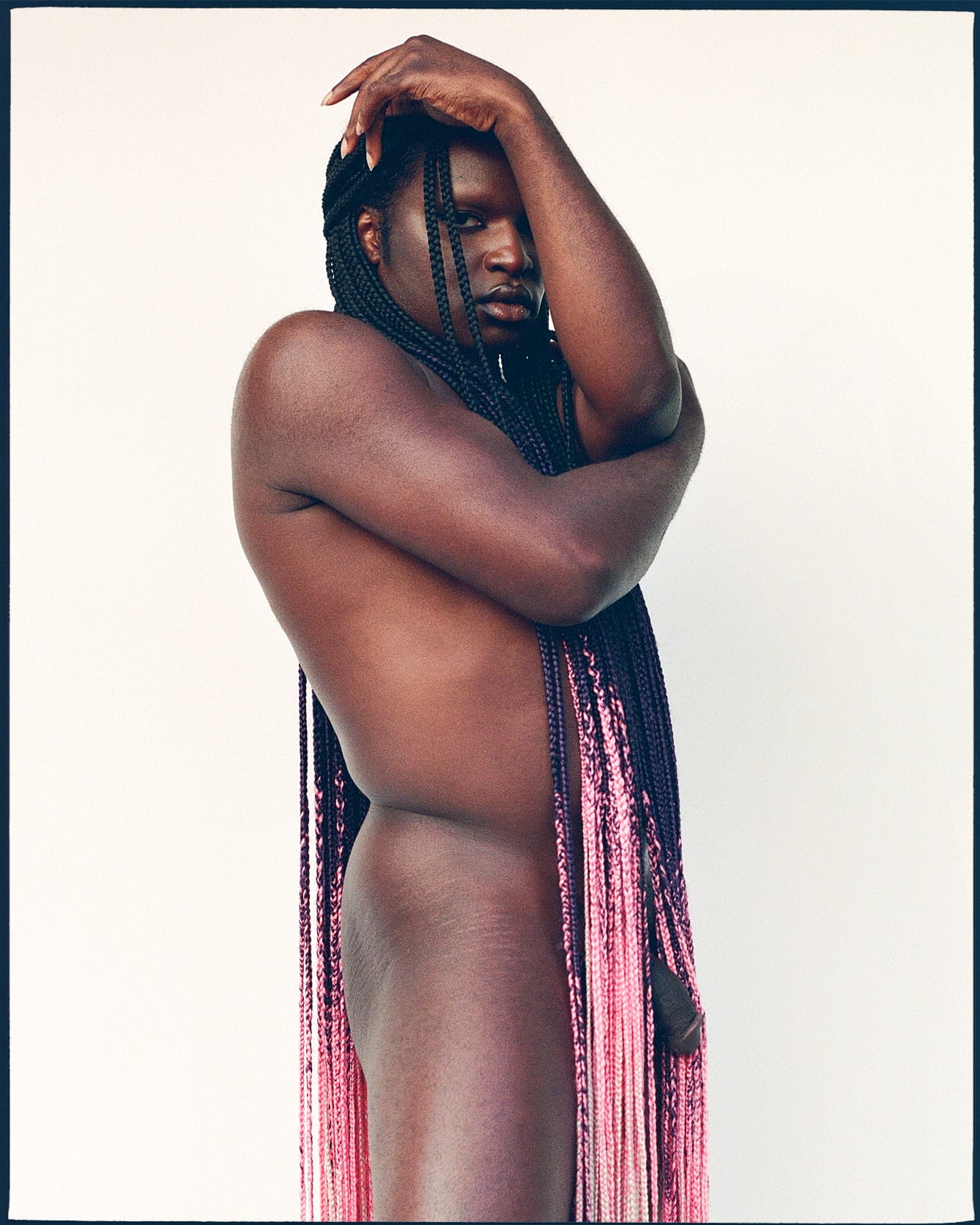
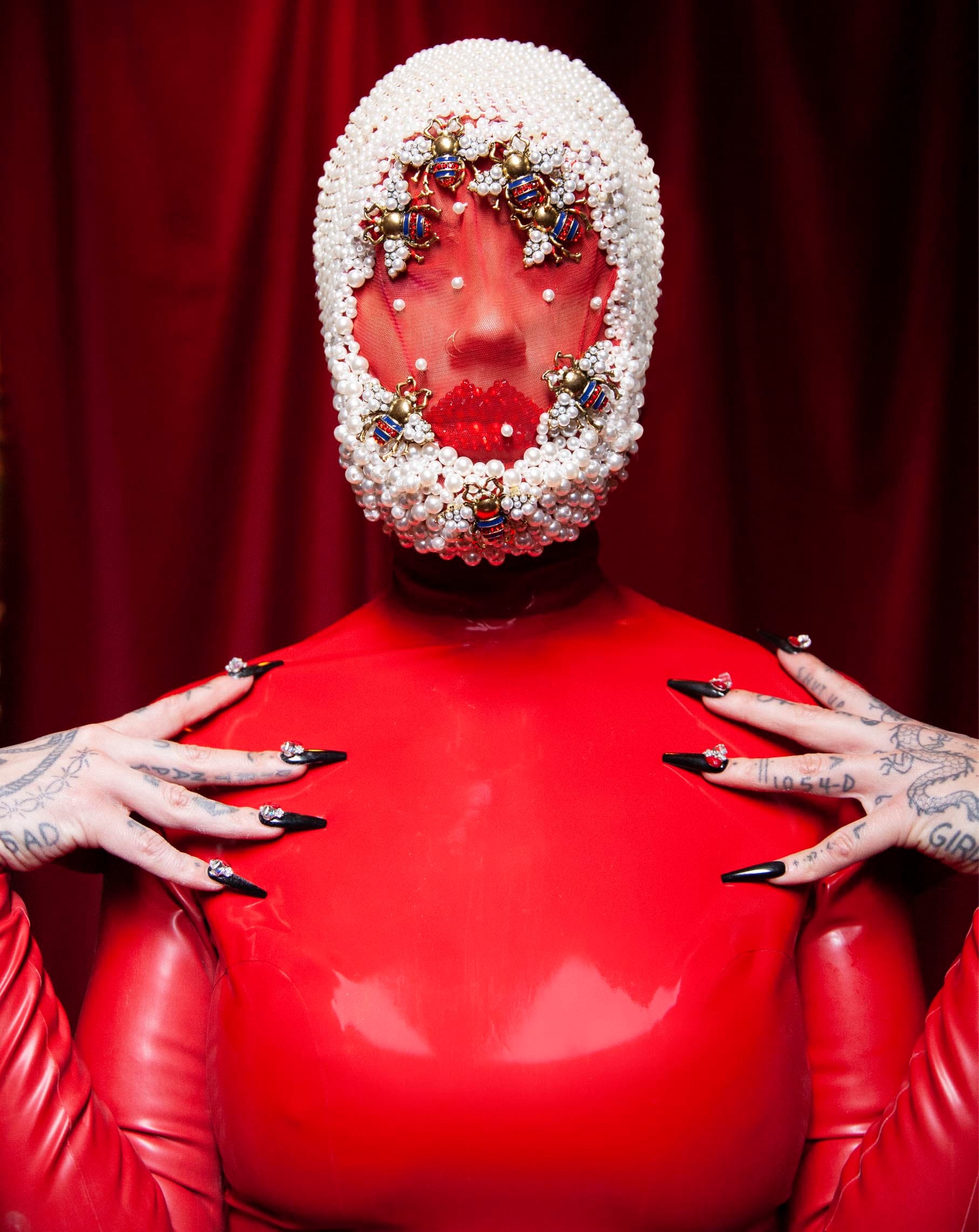
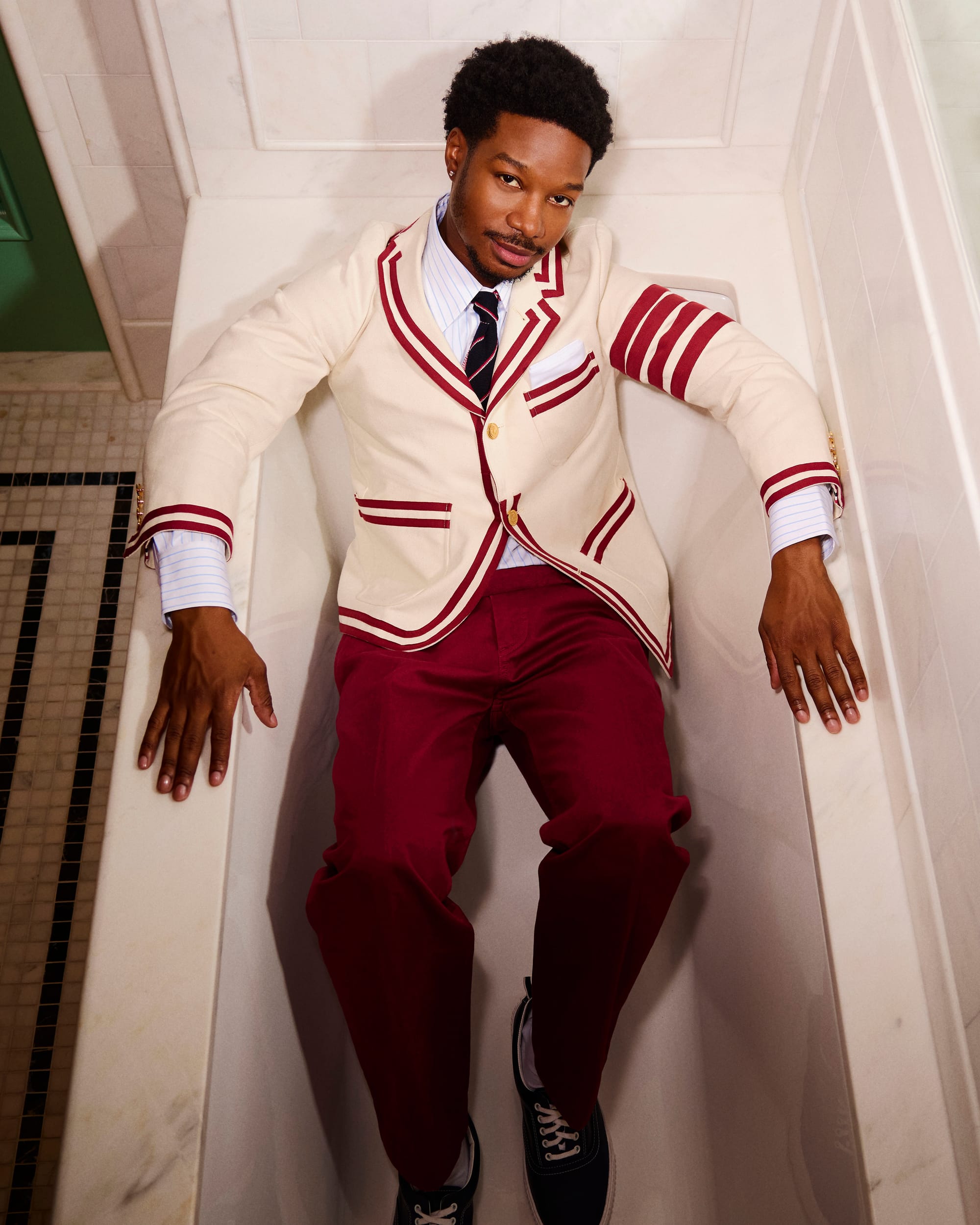
It's inseparable from it because it's inseparable from me. It's definitely been an ongoing journey, though. One that keeps evolving and still surprises me. At the start of my career, I had a huge focus on amplifying queer voices. It's why I focused on collaborating with LGBTQIA+ musicians, artists and subjects. As a result, I was labelled a "queer photographer" or a "queer director" very quickly. I understood why people were nervous about being put into that box because, historically, those labels could limit the opportunities you were given. But at some point, I realised I didn't want a fear of being labelled to dictate the work I made.
My identity has given me a unique way of looking at the world. I often describe it as having an outsider's perspective, almost like viewing the world in third person. It made me question ideas around gender, masculinity, beauty and identity very early in my life, rather than simply accepting them as fixed. And I've always said I want to make the work I wish I'd seen when I was younger. I still feel that responsibility. Now I also think about the queer kid seeing these images today. I want them to see possibility rather than limitation.
My bread and butter has always been cinema. I started out in this industry because I love movies. I grew up on popcorn films and arthouse cinema in equal measure. I still go to the movie theatre by myself all the time. I'm that really annoying guy at the dinner party who's seen everything.
A lot of my really early influences are directors who smashed completely different genres together. I think you can see that influence in my work. I don't photograph queer activists in the way people might expect me to; I photograph them like supermodels. I don't photograph a celebrity simply to showcase their fame. I'm always looking for the unexpected or unconventional way into an image.
My favourite directors tend to be world-builders: Tarantino for the genre-smashing, Fincher for how controlled everything feels, Scorsese and Coppola for scale, Kurosawa for composition, Spielberg for pure storytelling instinct, Ridley and Tony Scott for how commercial and cinematic could be the same thing. And it's probably why I've always gravitated toward photographers who build whole worlds too: David LaChapelle, Steven Meisel, Mert & Marcus and Rankin.
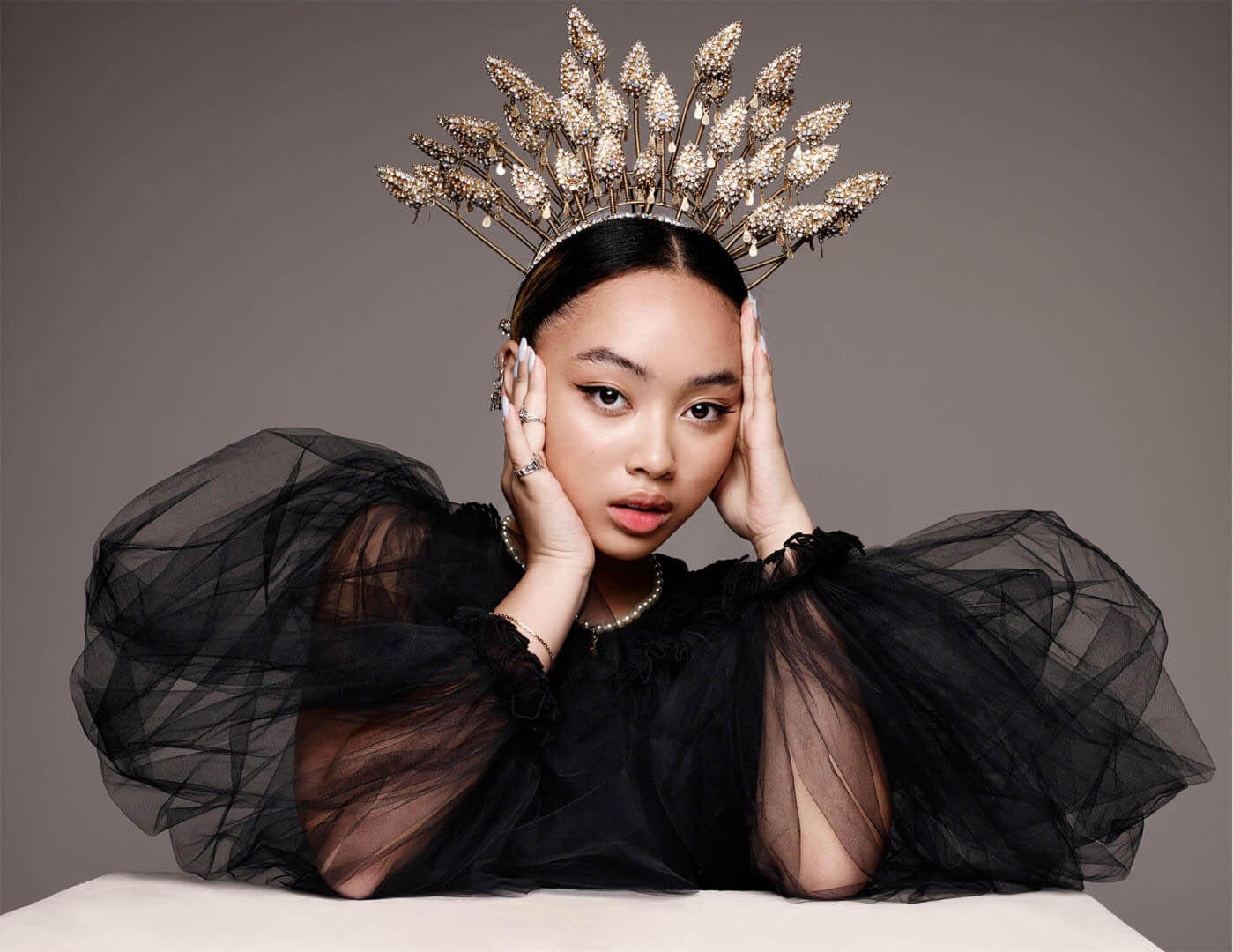
Firstly, I'm really excited by the idea of HOMECOMING having a life beyond Milan. Putting the exhibition together has made me look at my own work differently, and I'd love to take it to different cities around the world.
I'll always continue to tell stories through photography. It's a part of me that's never going to go change. But I'm increasingly interested in longer-form storytelling too. I've spent years directing music videos, commercials and short-form work, and I'm developing narrative projects that allow me to take a lot of the ideas I've explored through photography, from identity to queerness to masculinity, and interrogate them over a much bigger canvas.
But I also don't want to suddenly become incredibly serious because I've had an exhibition in a gallery. I still want to make strange films, take colourful photographs, work with brilliant people and have fun doing it.
£6.49 Monthly
£60 Annually
Cancel anytime
No results found. Try a different search.