‘It took 31 years for me to be vulnerable’: Tom Rasmussen on Body Building
The writer and musician chats with GAY TIMES about their incredible debut album and why queer people won’t hesitate in “leading another revolution”.
The writer and musician chats with GAY TIMES about their incredible debut album and why queer people won’t hesitate in “leading another revolution”.
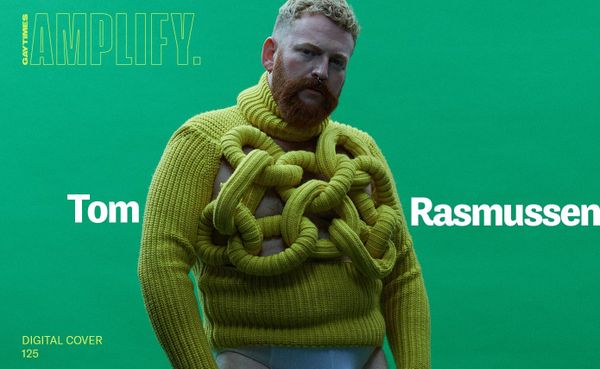
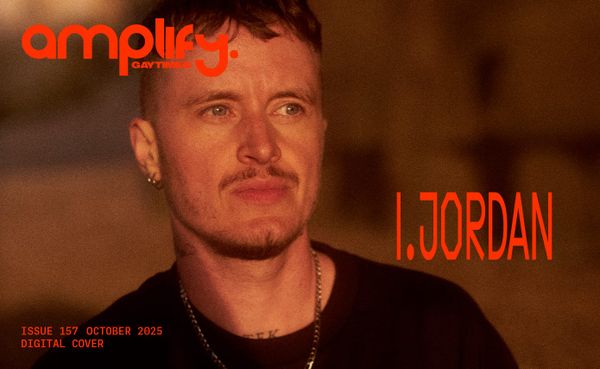
PHOTOGRAPHY BY THURSTAN REDDING
COVER DESIGN BY ANISA CLEAVER
As their former drag alter-ego Crystal, Tom Rasmussen became notable in the UK queer scene for their classic dry wit, redhead slash glitter-beard combo and for ‘shagging a 79-year-old builder and knocking over his sister’s ashes while feeding him a Viagra’ (read their incredible book Diary of a Drag Queen for more knee-slapping anecdotes like this). After “31 years”, Tom is embracing vulnerability.
This week sees the release of the writer and musician’s sensational debut album, Body Building, a 13-track collection of house and dance-pop anthems about what it means to be a queer person in ‘the apparent age of freedom and visibility’. While the record explores the harsh adversities that queer people continue to face, from ongoing transphobia in mainstream media to escaping and “recovering” from violence, it was crucial for Tom to concoct a sonic piece of work that makes the community – particularly those of the trans experience – feel “invincible”.
“It’s my experience as a non-binary person and very camp, femme gay person,” Tom tells GAY TIMES. “I want [the community] to feel heard and seen, like some moments are encased in a bubble of safety; indestructibility that allows us to walk down the street. [..] I would like there to be a piece of work in music for trans people that is emotionally complicated, not just, ‘Slay bitch mama, walk down the street and slay because you’re wearing big heel boots.'”
Featuring lauded singles such as Street Violence and Fantasy Island Obsession, as well as the soon-to-be fan-favourite Look at Me, Body Building is out now. Read ahead for our full interview with Tom, where they dive into the themes of the album, how they came to terms with their transition from drag queen to singer-songwriter and why queer people won’t hesitate in ‘leading another revolution’.
It’s been weird. We’ve been all over the place in both situations, especially with Self Esteem. It’s hard being an opener because if people aren’t arsed for you, they’re not arsed for you. If they are, people are way more willing to get on side. There’s been some amazing nights where people are dancing to songs they’ve never heard. Not to sound cliche, it’s been an unbelievable opportunity to take this music out on the road with such amazing artists and to watch them work in really different ways has been really inspiring as someone who is transitioning from one type of performance into a whole different industry, basically. I’ve also had lots of really great sex.
Kind of. I’m 31 now and my expectations are so different to what I originally imagined touring to look like when I was 10, watching Celine Dion Live in Memphis 1997. Amazingly, people are looking to connect. I’ve felt genuine moments of actual connection. Also, what’s been amazing is the politics. I wear this t-shirt saying “solidarity with striking workers” and Shon Faye reads the final page of The Transgender Issue at the end of Street Violence. People everywhere responded to it. As a queer and trans person, the album is about trying to negotiate being in the world.
Being on stage, you never quite know how people are going to receive it, especially in this climate. It’s been the most wonderful reception. People message me after saying, ‘I’ve never thought about this stuff and your visibility is all of our visibility.’ That feels really powerful, more powerful than numbers or any of that. There’s a feeling right now and it’s been really heartening to go and witness it and feel it in a time when all the news is so fucking shit.
It’s taken me 31 years to be vulnerable. I can’t speak for any other queer people. It’s my experience as a non-binary person and very camp, femme gay person. For a long time, I used stories and humour to distance myself from what’s happened in my life. If I have one experience and tell it in a certain way and people laugh, it’s easy for us all. It’s much harder to be like, ‘This is the complicated reality of what it means to be queer and experiencing violence and navigating a world that isn’t designed for me.’ That’s much more complicated than we’re ever able to explain.
This record is 13 songs in response to one very violent attack on the back of years of experiencing violence. I was like, ‘Oh, this is what happens in high school,’ but actually, when I say the things that really happened out loud, the people who didn’t experience that are like, ‘Are you fucking kidding me?’ It’s been nice but weird, I feel much more boring these days. Maybe that’s okay. Maybe my job isn’t to be the ultimate entertainer and I’ve realised I can still do that on stage.
£12.99 Monthly
£57.99 Annually
Cancel anytime
No results found. Try a different search.