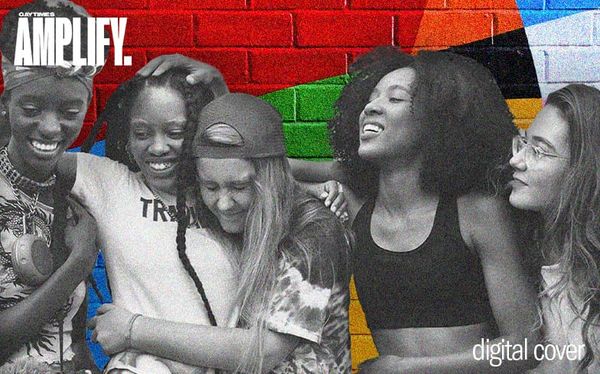
HBO’s new series is one of the freshest comedy-dramas of the year.
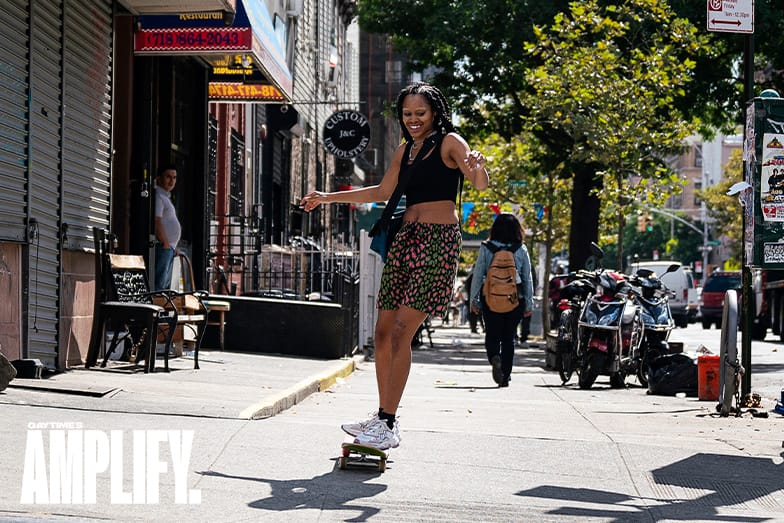
Betty, a continuation of writer and director Crystal Moselle’s acclaimed pseudo-documentary Skate Kitchen, follows the lives of a group of young female skateboarders in New York City and their attempts to stand out in a male-dominated sport.
The members of the all-girl crew include the street-savvy Indigo (Ajani Russell), strong-willed Janay (Dede Lovalace), lonely outcast Camille (Rachelle Vinberg), aspiring filmmaker Honeybear (Moonbear) and eccentric stoner Kirt (Nina Moran).
When they’re not smoking weed or performing flips and tricks on their skateboards, the series sees the characters delve into societal issues such as race, gender, class and sexual assault. The beauty of Betty is how these serious conversations aren’t sensationalised for television. It’s an authentic portrayal of the struggles faced by young women in 2020.
“These things need to be talked about even if it’s hard,” explains Dede, to which Ajani adds: “There were a bunch of things we wanted to address because it feels like the media doesn’t deal with it in an emotionally safe way.”
Ahead of Betty’s premiere on HBO, we caught up with Ajani, Dede, Rachelle and Moonbear to discuss how their real-life experiences impacted the series, and the importance of exploring female perspectives in male-dominated industries.
The characters on Betty are all based on yourselves, so what kind of research or preparation did you have to do to step into these roles?
Rachelle: We had a lot of consultants on the show and we were there the whole time the characters were being created. For Camille, I was part of the process of who she was going to be. I went to the directors and writers to figure out who she is, how she’s similar to me and how she’s not.
Moonbear: We spoke to the writers about what we like and don’t like for them to work on. We went back and forth between New York and LA and the writers would observe us, and that would help them get feedback.
Dede: I wanted to push Janay away from me. That way, there was a difference between us and I’m not playing a version of myself. I didn’t want to just play me, because that’s how you grow and that’s how we’re supposed to grow. In preparation for that, I had to make a lot of character decisions for her. I wanted to make them separate from what I would do. I had to ask myself, ‘What does her family look like? Does she have a dad? Does she have a mom? Who are her close friends? Why does she love skateboarding?’ I had to make all these choices for her.
Ajani: Indigo’s personality is closer to me than her life circumstances. The way I approach the character is that I place myself in her position. How I would react to it, would she react the same way? Her character is more confident than me! What I think is taken from me is how much she loves her friends, how she can get caught up worrying about them and not taking matters into her own hands. She loves people to a fault, and it gets her into some… sticky situations.
Gender roles within skateboarding hasn’t been explored much in mainstream media – why is it important to bring a female perspective to what’s often seen as a male-dominated sport?
Moonbear: I think it’ll show that there’s different kinds of communities and that girls are coming up in the skateboarding world.
Dede: Like you said, it hasn’t been explored. It hasn’t had the opportunity or the platform to be talked about or shared. It’s very new, in a way. It’s always been a male-dominated sport and I feel like a lot of the culture that we’ve experienced, there’s a different lifestyle and story.
Ajani: I think it’s important to place women in ways they haven’t been represented in before. Representation is so important because, growing up, I didn’t have any female skateboarder role models. I got into skateboarding at 17 when I met Nina [Moran] and Dede. Nina gave me my first board after I said to her, ‘It’s so cool that you skate’ and she replied, ‘Why don’t you skate?’ I didn’t even know, I was just scared! She brought me my first board and I’ve been skating ever since. I kept believing myself and going for things that I’m passionate about, and not letting those reservations of, ‘Boys are going to make fun of me’ get to me. You just have to go for it.
Dede: As people grow and as the times change, these stories and experiences need to be shared and should be shared. It also makes everyone else aware of what’s going on, how people feel and some of the things that people enjoy doing. People, not girls or guys, just what people doing and how they can bond over this one thing.
Do you think you’ve ever seen a television show like this before, that feels grounded and natural and focuses on positive relationships with a group of diverse women?
Rachelle: I don’t think there’s anything quite like this!