

The radical history of gossip — and why it still protects women and LGBTQIA+ people
Katie Baskerville explores her new book, Beyond Belief, revealing how gossip has long served as a survival strategy for women and LGBTQIA+ communities.
Katie Baskerville explores her new book, Beyond Belief, revealing how gossip has long served as a survival strategy for women and LGBTQIA+ communities.
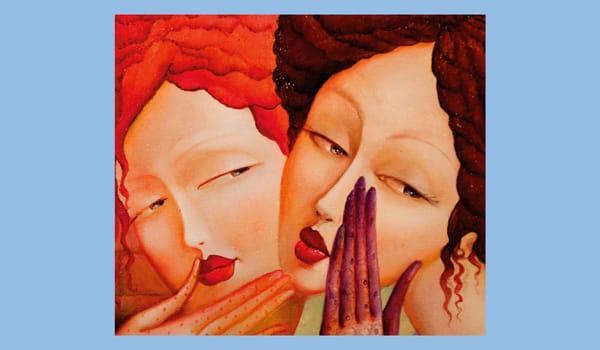
Historically dismissed as a shameful pastime of schoolgirls and housewives, gossip has long been framed as petty, feminine and destructive — capable of shattering reputations and eroding credibility. But in her forthcoming book, Beyond Belief, Katie Baskerville traces how gossip has also operated as a powerful survival tool, helping women and marginalised communities share knowledge, build solidarity and protect themselves within patriarchal systems.
From the witch trials to reality television, whisper networks and Polari — the secret code–like language once used by gay men to communicate safely in public — Baskerville reframes gossip as something far more complex and far more vital. As she tells Gay Times, “It brought people together under a commonality. And in that togetherness, they were able to resist oppression with good humour and sharp tongues.”
Read on for our full interview with Katie Baskerville, in which she discusses the origins of Beyond Belief (out 12 March), examines gossip’s legacy as coded communication between women, and weighs up whether, in the age of social media and misinformation, it has become more dangerous or more necessary.