
Netflix’s Bridgerton is high camp – but where’s the queerness?
Dearest gentle readers, it’s about time Bridgerton queer’d up.
Dearest gentle readers, it’s about time Bridgerton queer’d up.
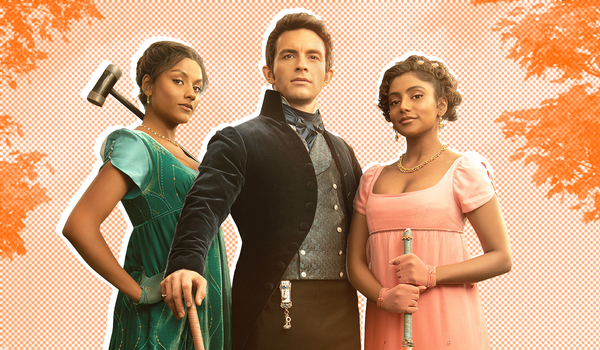
Fun fact: LGBTs existed in the 1820s. What a scandal! If you didn’t know that, gentle reader, then you have something in common with the writers of Bridgerton. After receiving criticism for its lack of LGBTQ+ representation in its debut outing, which subsequently became Netflix’s most-watched original series (at the time, Squid Game says hi!), the historical series has, sigh, failed to deliver the salacious queer drama we were hoping for in its second season. Or start to set it up at the very least.
The Shondaland-series, created by Chris Van Dusen, sees Jonathan Bailey as the new male lead following the departure of Regé-Jean Page, who memorably played the fan-favourite “fuckboy” Duke of Hastings, Simon Bassett. Season two follows Bailey’s character, Lord Anthony Bridgerton, the eldest Bridgerton sibling and Viscount, as he searches for a “suitable” wife. The Viscount has no luck, however, until he meets sisters Kate (Simone Ashley) and Edwina Sharma (Charithra Chandran), who arrive from India with their mother (Shelly Conn) to find a husband for Edwina. (That is all we’ll say, this is a spoiler free article!). Admittedly, we had a ball with these new episodes. Again, the performances are absolutely stellar – particularly from Bailey and Ashley, as well as returning stars Golda Rosheuvel, Adjoa Andoh and Nicola Coughlan – and the “will they, won’t they?” storyline between Anthony and the sisters made for compelling television.
Bridgerton also continued to cement its status as one of the campest shows on air thanks to the iconic voiceover from two-time Academy Award winner Julie Andrews and its extravagant, fantastical ensembles, as well as the wigs – my god, the wigs! This particular portrayal of Queen Charlotte is a runway challenge short of being a RuPaul’s Drag Race contestant. Let’s not forget the soundtrack, which sounds like it could plucked out of any queer millenial’s “pop anthems” playlist with intimate cover versions of Miley Cyrus’ Wrecking Ball, Pink’s What About Us, Rihanna’s Diamonds, Robyn’s Dancing On My Own and, one of the gayest songs in history, Madonna’s Material Girl. Oh, and spoiler alert: Anthony emerging from the pond was the definition of homoerotic camp. The definition! Sadly, while its reputation as one of the most diverse – and campest, it’s undeniable – shows remains intact, it’s not as progressive in regards to LGBTQ+ storytelling.
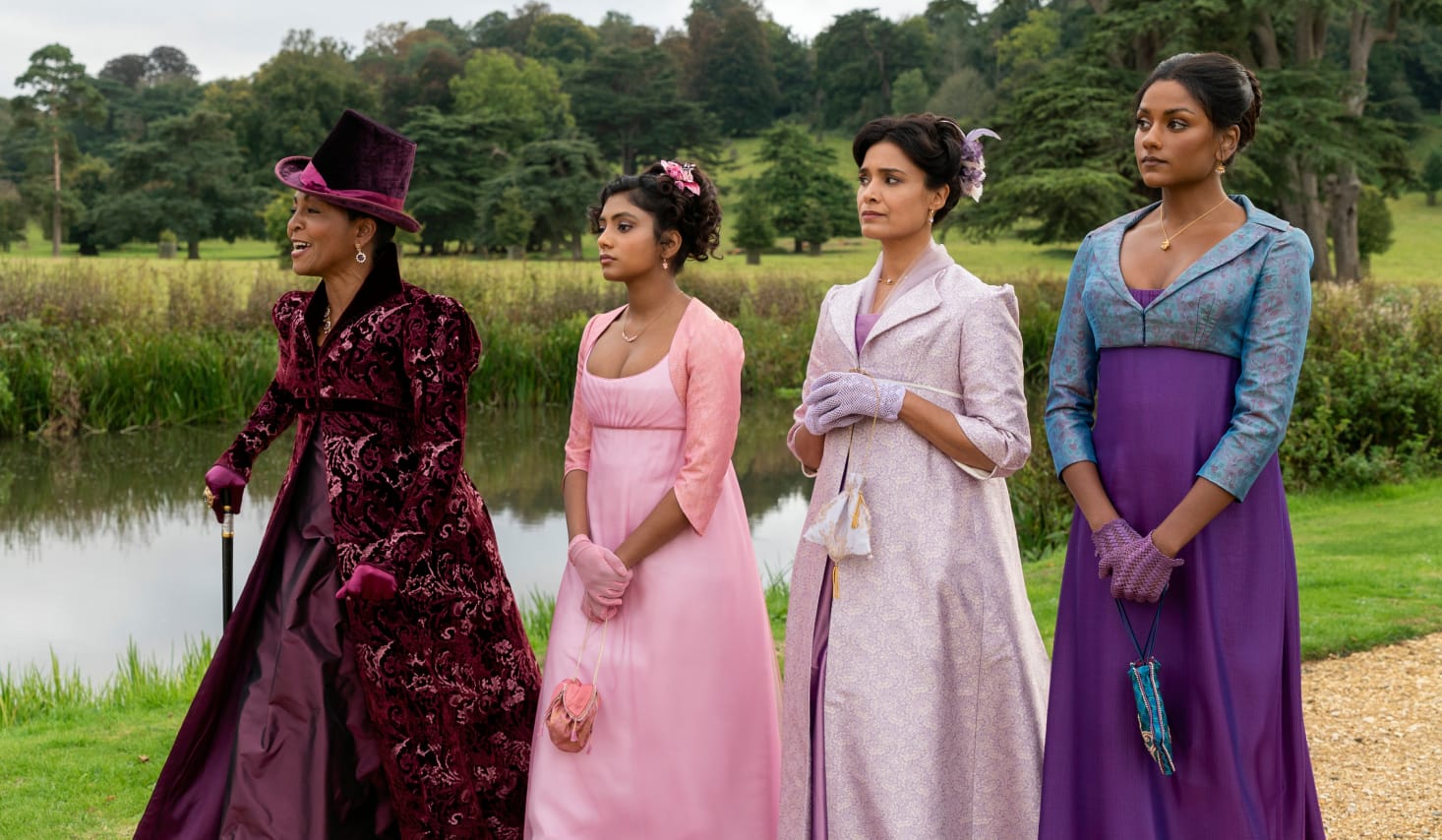
Based on the romance novels from Julia Quinn, Bridgerton is set in an alternate history with a racially integrated London, with some of the most prestigious characters in the competitive world of Regency era’s ton – such as Queen Charlotte (Rosheuvel) – played by actors of colour. As is the case with season one, Bridgerton deserves all the accolades for its depiction of race, particularly with the introduction of the Sharma family. With authentic South Asian representation still scarce on mainstream television, Bridgerton is one of the only scripted mainstream dramas to place three South Asian voices at the forefront. It’s not shoo-horned in either; Kate, Edwina and her mother are three-dimensional characters who advance the narrative and aren’t simply there to assist the progress of their white counterparts, such as Anthony. Netflix’s adaptation marked a major difference from the books, which failed to take a “colour-blind” approach. It begs the question: if the writers are willing to use their artistic licence to accurately represent a significant aspect of history, then surely they can do the same by depicting an inclusive, Regency-era London for LGBTQ+ people?

£12.99 Monthly
£57.99 Annually
Cancel anytime
No results found. Try a different search.