From The Archive: Josh O'Connor
The God’s Own Country star talks on screen sexual chemistry, straight actors going gay, and the importance of queer cinema in a heteronormative world.
The God’s Own Country star talks on screen sexual chemistry, straight actors going gay, and the importance of queer cinema in a heteronormative world.
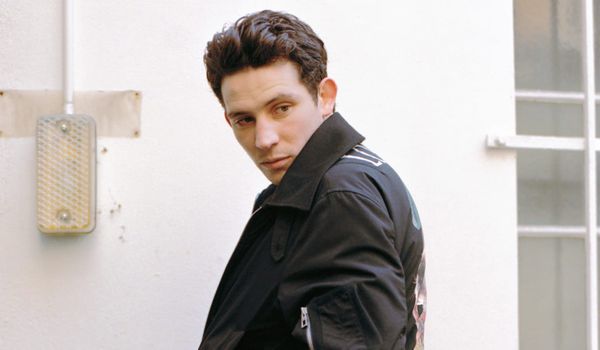

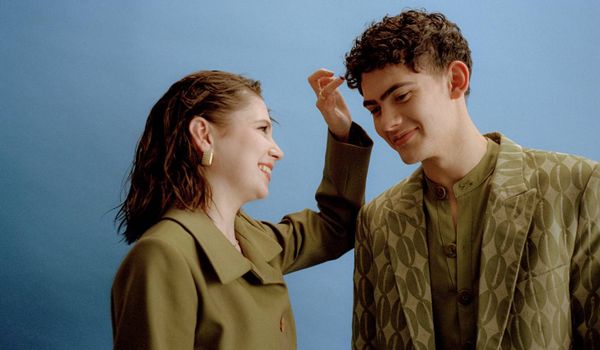
This interview appeared in the February 2018 issue of GAY TIMES.
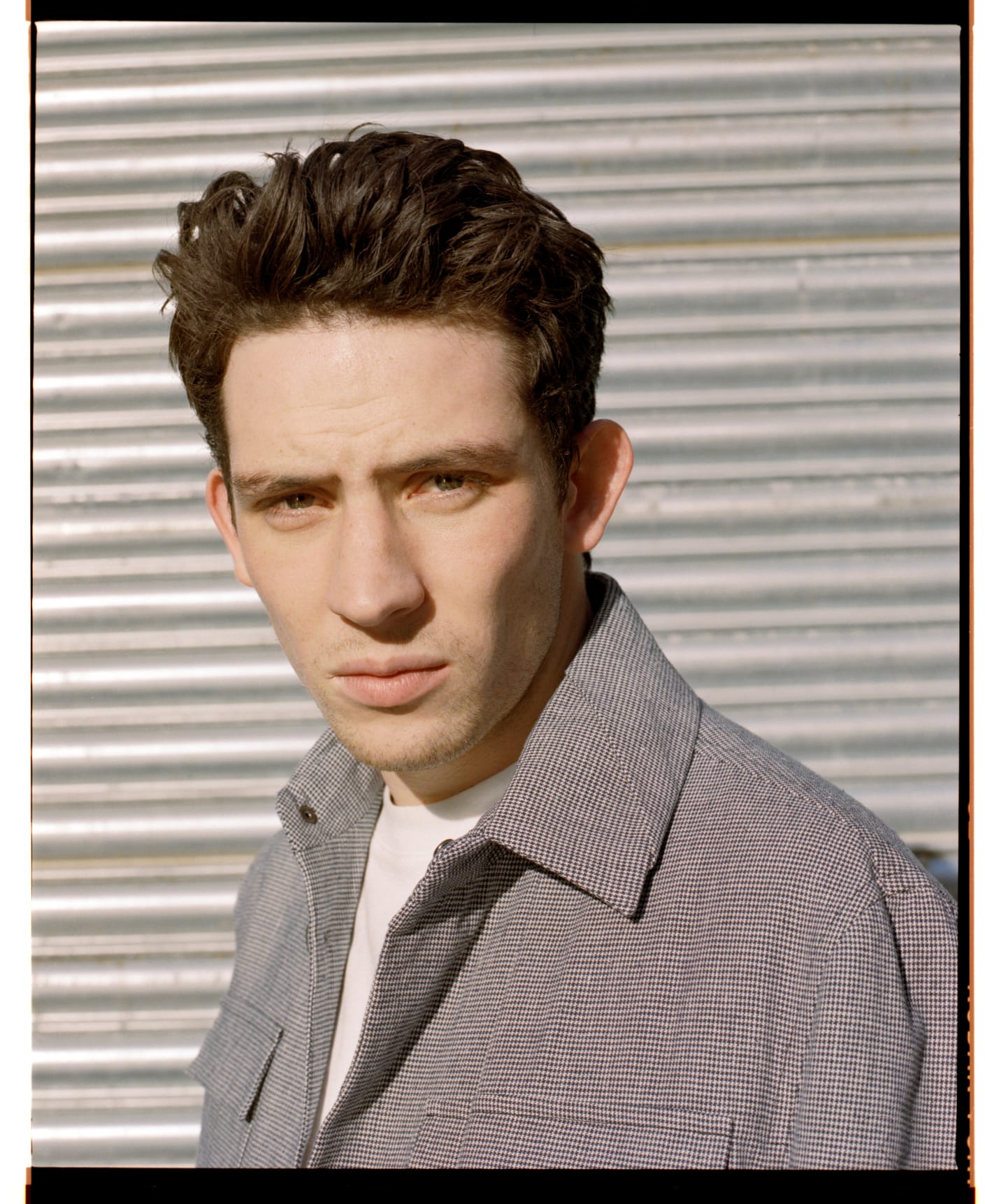
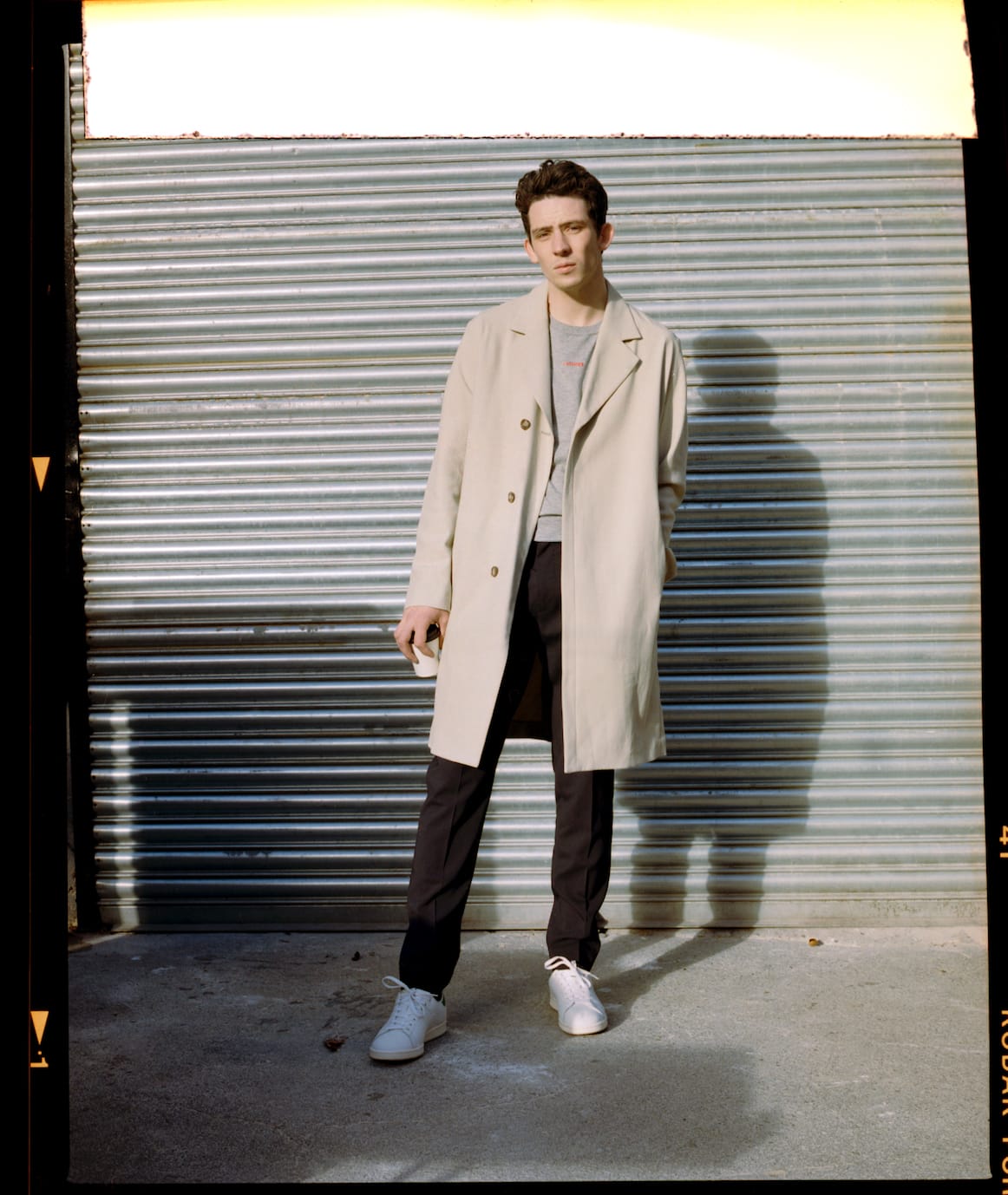
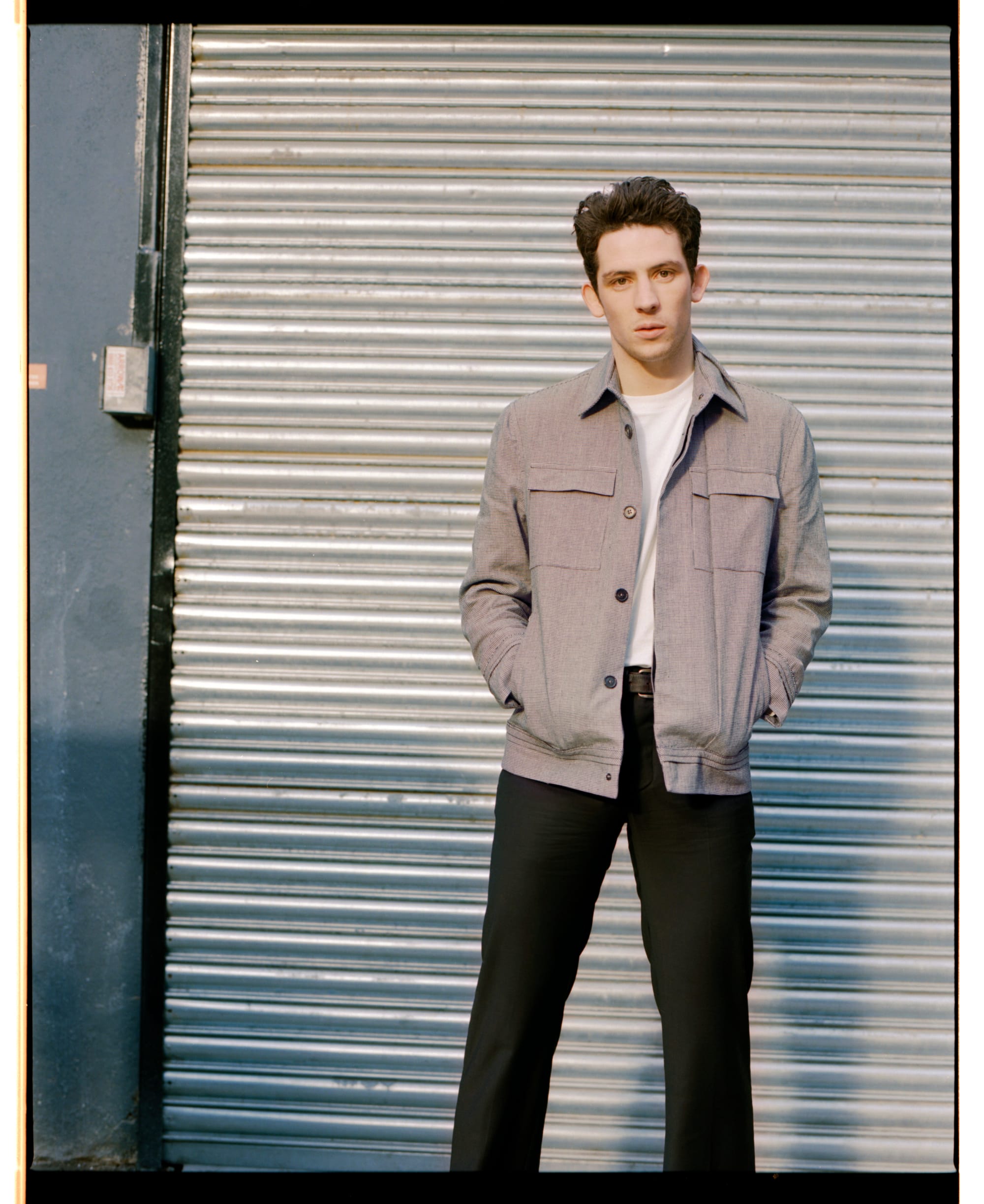
Photography by Richard Dowker
Fashion by Abigail Hazard
2017 saw a huge insurgence in the amount of queer films being released internationally, from Luca Guadagnino’s peach perfect Call My By Your Name to Eliza Hittman’s emotive indie Beach Rats. But it was God’s Own Country, the rurally set story of love and acceptance between a farmer and his Southeastern European apprentice that was the surprise hit of queer cinema.
In a directorial debut from Francis Lee, the film exceeded all expectations by filling out cinemas, resulting in a re-release, and becoming an awards season favourite, collecting Best Actor and Best Screenplay Debut at the British Independent Film Awards, the World Cinema Directing Award at Sundance, and most recently, a BAFTA Outstanding British Film nomination and an EE Rising Star nod for the films lead, Josh O’Connor.
This is the second time I’ve met Josh. The first was when God’s Own Country was in the week before release; in advance of the press whirlwind, ahead of the film (and O’Connor) acquiring a huge fan following and prior to the string of accolades and nominations that it would come to amass.
When we meet today, on a cold windy Thursday in Soho, he’s seemingly worlds away from the man I met six months ago. He’s no longer shy and reserved, instead greeting me like an old friend with a warm embrace. It’s almost as though his turn as the films tortured protagonist Johnny Saxby has both matured and mellowed him. Truth be told, Josh is a genuinely good guy, the kind that you want to go down the pub and have a pint with.
But, instead of a pint, we sit down for a fruity water to talk about his glowing rising star status.
I was filming in Corfu and I read it and was like, “this is amazing, this is beautiful.” I couldn’t meet anyone because I was away, so I did a tape and sent it in. I’ve now found out from doing talks with Francis [Lee] that he saw the tape and was like, “Oh my God, I’ve found someone from Keighley and he’s great for it, the only problem is he looks really troubled and might be a bit problematic”.
He was like, “I’ll meet him and see what he’s like because I don’t want to work with someone that’s problematic” and then he met me and realised I was from Cheltenham Spa and…posh.
He’s genuinely one of my best mates - like a brotherly figure, really. It’s kind of weird to me to think of a working relationship but certainly on set as far as director to actor, before I moved up to Yorkshire we’d talk on the phone every day. I’d talk in accent and we’d discuss Johnny from the day he was born. We’d go through where he was born, what was the name of his first friend, his first sexual experience, his first sexual experience with a man, and we went through everything in such detail so we had a memory bank for him.
Totally. By the time we got to set, I kept myself to myself. I’d been working on the farm for like two or three weeks before we started shooting and there would be times when John, the farmer, would come down on a quad bike. They’d call cut on a scene and John would come in with a yew to be lambed. I’d lamb the yew and then wash my hands and do another take - crazy!
A lot of audiences will come and see our film and be like. “What happens next?” What I love about this film, the final shot is the door closing behind Gheorgie and Johnny. I wrote a backstory for Johnny until the first day of the narrative of the film, and then I always saw the point where they close the door as a goodbye, and it’s sad. Sometimes you have little pangs of ‘I miss Gheorgie or I miss Johnny’ but that’s cool and the best thing about my job is that I get to live those characters, otherwise they wouldn’t exist.
£12.99 Monthly
£57.99 Annually
Cancel anytime
No results found. Try a different search.