

“When it came clear that they were totally part of the underground, it made no sense because they’re not even gay.”
Netflix is quickly becoming the go-to streaming service for wildly entertaining, thought-provoking and unmissable documentaries that often leave viewers with a resounding, “Huh?” Don’t Fuck With Cats, Tiger King, for example.
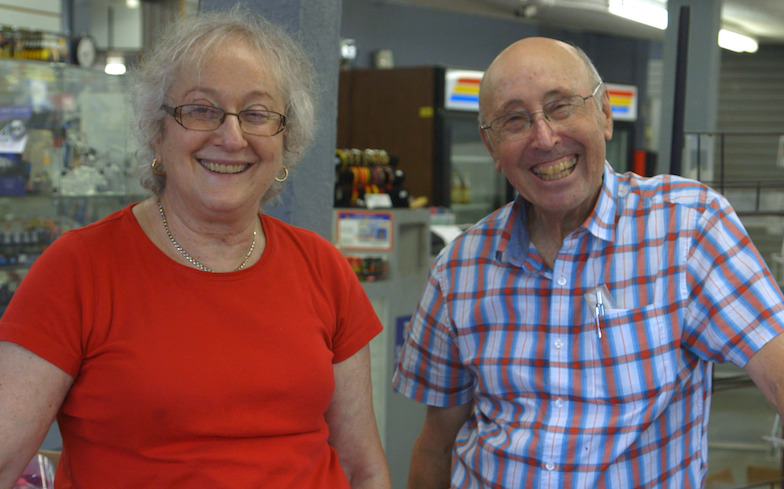
Their latest release, Circus of Books, is no different. Executive produced by Ryan Murphy, the documentary is directed by Rachel Mason and tells the rather unconventional story of her conservative Jewish parents, Barry and Karen, who operated one of the most prolific gay porn empires in the United States for more than 30 years.
The Masons specialised in X-rated videos, sex toys and literature, and due to the taboo surrounding the LGBTQ community at the time, provided LA’s queer community with a safe haven free of judgement; becoming local LGBTQ icons in the process.
“My parents were conservative and seemed like your typical 1950s husband and wife who ran a store,” Rachel tells us. “When it came clear that they were totally part of the underground, it made no sense because they’re not even gay.”
Here, we chat with Rachel about how Circus of Books came to fruition, how her relationship with her parents changed after finding out about their porn empire, and why Karen’s emotional transformation is the “entire point of the documentary.”
How long has this documentary been in the works?
In a way, there’s two parts to that question because there was the concept and there was the actual doing. Back in 2004 when I was a college student, I was taking a gay and lesbian studies class and the professor asked if any of us had any interesting stories about our families, or if we had any connection to gay history. I said, ‘Well my parents own this store, Circus of Books’ and I didn’t think anyone had heard of it because it was the East Coast. He was like, ‘Wow, that store is one of the seminal, iconic and most important landmarks in all of American gay porn history.’ Everything in LA seems very temporary and a totally different part of America than the East Coast, which is old and more like Europe. So I was like, ‘Wow, I didn’t know that you heard about Circus of Books out here.’ He said, ‘Yeah, you should really do something about this store and chronicle it because of its history. Gay history is an unwritten history because it was forced into the shadows.’ He gave me an obligation to the history, that only I can do, because my parents would not let anyone else follow them around. It was in my head in 2004. Fast forward to 2014 when the Circus of Books started to close, I was living in New York at the time, I had been talking about this idea to different people and the producer that I met said, ‘If you don’t go to LA right now and film this, it could close and you won’t get to document it at all.’ I had to go to LA anyway to do a performance, and that’s when I started shooting. It was four years of documenting the demise of both stores, the Silver Lake store and the West Hollywood store.
How does it feel to finally get this incredible story out into the world?
It’s so funny. I feel a little bit like, ‘Thank god I did it, I’m over it finally.’ But at the same time, I just did not have any clue that it was going to have this level of impact. I thought it was going to be something for the queers, a little thing that would play at OutFest or an academic touring circuit. If some queer studies professors found it and wanted to teach it to their students, that would’ve made me totally happy. For it to be on a global mainstream platform like Netflix, and to have this level of PR that I’m doing, it’s a shock to me that this story has so much resonance.
When you approached your parents about doing this documentary, how did they react?
[Laughs] First off, my mom said, ‘No one’s going to watch it. It’s not interesting. You should do something else.’ The entire time we were filming she would say to my entire crew, ‘I don’t understand why you guys are here. There’s no story!’ Of course, that was pretty comical. I love the moment when she said, ‘I don’t know what you’re going to make of all this.’ My dad actually felt similar, he didn’t think this would have wide appeal, ‘It’s a niche business. No one cares.’
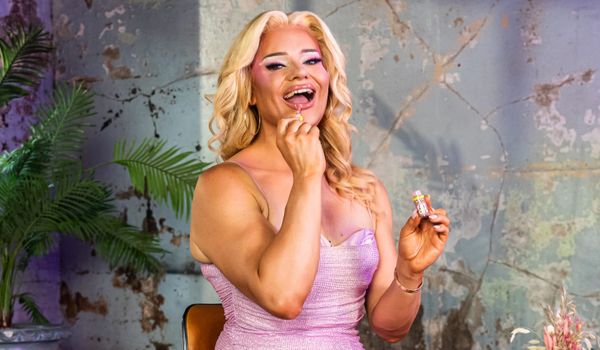
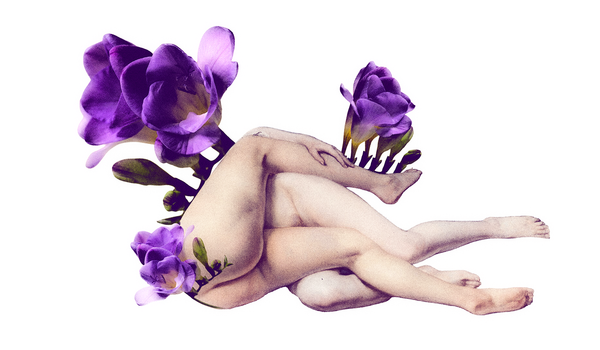
It’s a myth that sapphics don’t do casual sex. They just do it better.
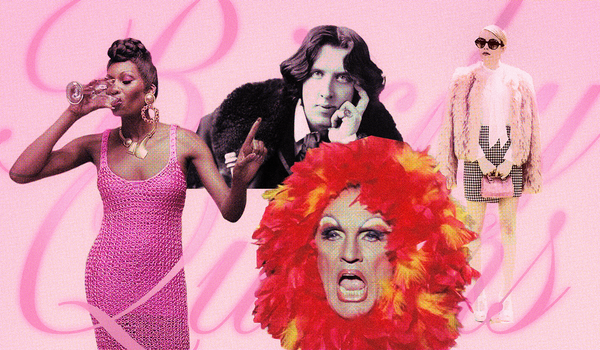
Gay men have mastered the no-strings hookup. Lesbians have a reputation for falling in love after one date. But what if sapphics have something to teach us all about casual sex, intimacy and giving a f*ck without catching feelings?