The State of Queer Clubbing: Bigger Isn't Always Better
From the summer's feral excess to autumn's quieter dance floors, London's queer nightlife is entering a period of reflection. With changing relationships to drugs, community and the spaces in which we gather, what are we looking for when we go out?
As the Christmas party invitations start landing in our inboxes, London's queer nightlife is entering a curious period of reflection. The feralness of summer has stretched into an autumn that became something of a reset: a final pause before the festive season sends us back into the trenches, ready to see out another year of questionable decisions. (Our body counts will, of course, reset at the stroke of midnight.)
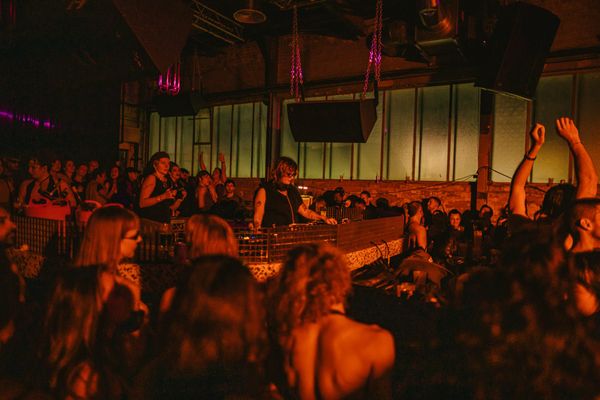
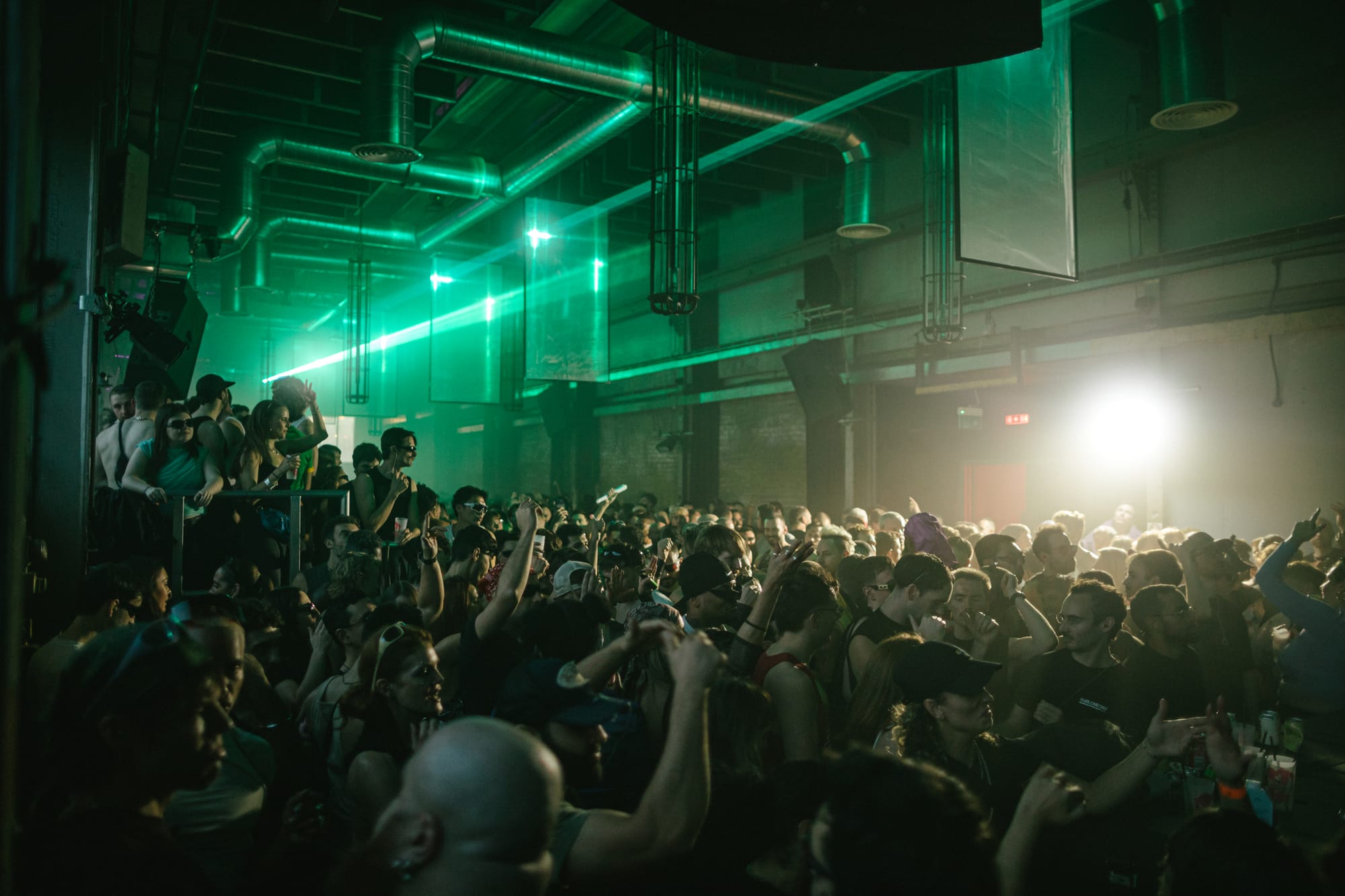
From Wormhole, To The Left andHaute Mess (happy belated birthday divas!) toBody Movements' winter party, London's queer nightlife calendar continues to offer increasingly elaborate reasons to leave the house. Bigger line-ups, bigger venues, bigger productions. Bigger is supposedly better. But after a summer of excess, are we actually looking for more?
There was a time when the idea of a big queer night out could be fairly easily understood: you went to Heaven, or one of the other few established institutions that had come to define London's gay nightlife. But the contemporary scene feels less centralised. The currency of queer nightlife isn't necessarily the venue anymore, it's the party itself. You don't follow a club; you follow a night, its DJs, its crowd. And there's seemingly a new one popping up every month.
The identity of a night is increasingly defined by the people putting it on, rather than the building hosting it.
Part of this is necessity. London's independent queer venues have been disappearing under the pressure of rising rents, redevelopment and the increasingly prohibitive cost of keeping a space open. But the parties haven't disappeared with them. Instead, they've become more mobile, moving between venues and taking their communities with them. The identity of a night is increasingly defined by the people putting it on, rather than the building hosting it.
Body Movements Winter
There's a cultural shift happening, too. The idea that one big gay club can cater to everyone feels inadequate. There's an increasingly visible network of smaller, more specific parties, each cultivating its own audience, sound and sense of belonging. Some are organised around particular music genres, others around race, gender, sexuality or shared cultural interests. Rather than one dance floor attempting to represent everyone, we're seeing a proliferation of parties where different parts of the community can take up space.
The relationship between queer people and the dance floor has always been about more than the music. Clubs are places to find your people, experiment with identity, pursue desire, escape the mundanity of everyday life and occasionally make decisions that require a little explaining the following morning. They are also political spaces, whether or not anyone particularly feels like discussing politics.
A recent report from the government's Advisory Council on the Misuse of Drugs offers some insight into the relationship between LGBT+ communities and substance use. Its analysis of the 2025 Crime Survey for England and Wales found that 18 per cent of gay and lesbian adults and 27.5 per cent of bisexual adults reported drug use in the previous year, compared with 7.8 per cent of heterosexual adults. The figures are striking, although the report acknowledges significant gaps in the available research, particularly concerning transgender and non-binary people.
Meanwhile, scrolling through Instagram, I'm noticing a renewed interest in (whisper it) wellness . One friend announced: “I'm doing a month Cali sober because I did way too much on Halloween.” Others seem to be taking the opportunity to go completely sober, or at least reconsider what they're putting into their bodies. I've seen the best minds of my generation destroyed by a bad batch so it’s refreshing to see these conversations happening in real time.
And there are practical reasons to be paying closer attention to what's going into our bodies, too. In Bristol, organisations such as Bristol Drugs Project are making harm reduction information more accessible, including through drug-checking services. WEDINOS (the Welsh Emerging Drugs and Identification of Novel Substances Project) allows people to submit substances anonymously for laboratory analysis, with results published online. It's all about giving people accurate information about what they're actually dealing with, rather than what they've been told they're buying. Its findings also help build a wider picture of what's circulating in the drug market. It's not a guarantee of safety, but knowing what's in a substance is a much better starting point than guessing.
From hot-takes to hard-hitting journalism, our long-reads put you at the centre of queer life and culture. The best LGBTQ writing, insight and opinion, curated for you.
Support our work by subscribing today and enjoy must-read stories by the voices you love.