

Love Your Body with Finn Love: How to do the perfect push-up
Love Your Body and learn from the best with our new strength and fitness editor Finn Love.
Love Your Body and learn from the best with our new strength and fitness editor Finn Love.
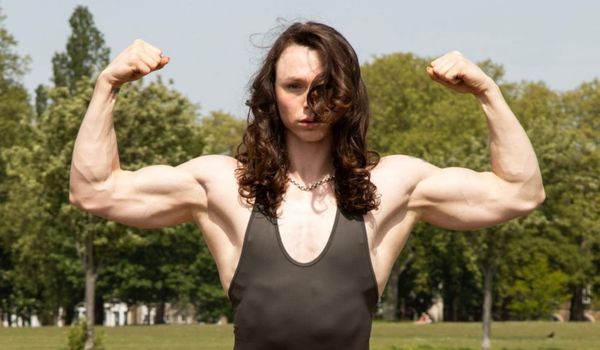
Introducing Gay Times Magazine’s new fitness editor Finn Love, a trans-femme callisthenics coach and international gogo dancer, whose own journey to strength and self-belief is an inspiration. Here they share how they went from caning it to training, and exclusively for our paid members, demonstrate a step by step guide to nailing the perfect push-up.
I came to fitness and training through sobriety. l spent the majority of my late teens and twenties dancing and working in queer clubs across London, the UK and Europe, but in lockdown had the time and space to slow down, look at my lifestyle, priorities and goals - and realised drugs and alcohol were holding me back.
I’ve always been obsessed with exceptional people, who look or perform in ways that are only possible through dedication and obsession – and began idolising strong women. Once sober, while in the murky depths of gender dysphoria, training offered some clarity and a feeling of control over my body – and thus
my life.
What started as online yoga classes quickly developed into a gym membership and – with the support of brilliant coaches and friends – an obsession with calisthenics and eventually a coaching qualification.
Once sober, while in the murky depths of gender dysphoria, training offered some clarity and a feeling of control over my body – and thus
my life
It’s always been important to me that I help queer and trans people in their fitness journey - I owe a lot to the people and coaches who supported me in my vulnerability and anxiety early on and I want to pay that kindness forward.
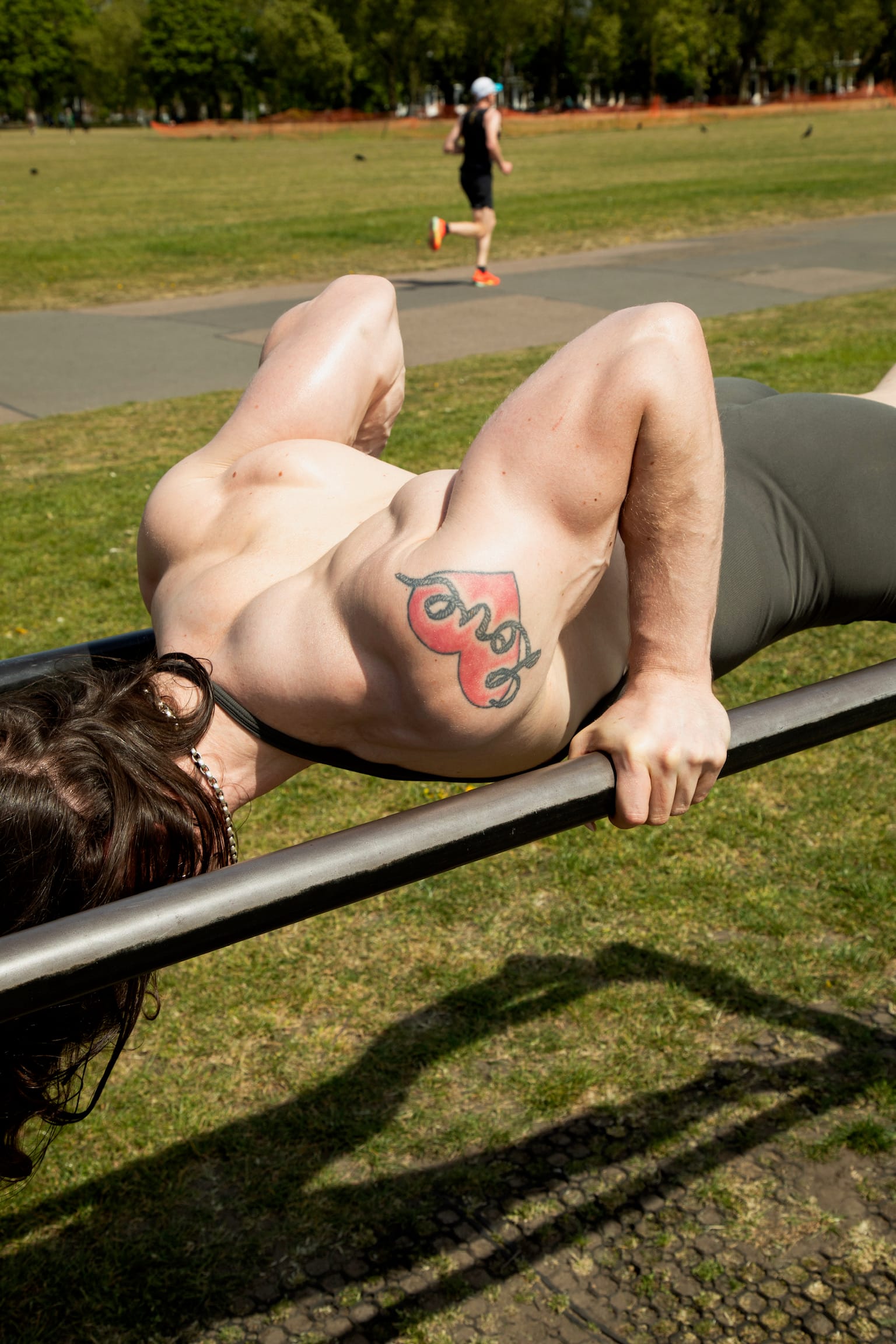
I used to think being strong meant being resilient – that strength was the ability to withstand hardship and triumph, to dominate difficulty and have the confidence to be assertive.
Strength is balance and presence, the ability to listen to your own body and needs, as well as other people’s.
I now understand strength to be more demonstrated by heart and bravery, the courage to be sensitive and the resilience to remain vulnerable. The strongest and most inspirational people I know are those who are balanced – at once firm in their beliefs and also open to change and challenge; consistent and reliable but also spontaneous and unpredictable; people who know how to demonstrate respect and value while also not taking life too seriously.
I now understand strength to be more demonstrated by heart and bravery, the courage to be sensitive and the resilience to remain vulnerable.
Strength of course is a physical attribute that can be more objectively measured – but being able to rep out a hundred pull ups isn’t a strong person, that’s just someone who is conditioned. To me strength is about adaptability not rigidity. The strongest athletes are those who know when to rest, who listen to their bodies and understand optimal performance is a process not an outcome. Strength is balance and presence, the ability to listen to your own body and needs, as well as other people’s.
PE trauma is a huge one, especially for millennial queer people, a lot of us came up through high school during, or in the shadow of, Section 28 and the normalisation of hostility towards queer kids really was prevalent in PE. Almost all my queer students and clients have memories of humiliation and anxiety surrounding high school PE lessons and changing rooms. Regardless of your gender or gender expression, I think that PE is a particularly straight and cisgendered space in most schools, which means queer people often internalise a feeling that we “don’t belong” in sport or fitness because our earliest memories of training or being in gym/exercise spaces are often difficult or traumatic.
Almost all my queer students and clients have memories of humiliation and anxiety surrounding high school PE lessons and changing rooms - regardless of your gender
I also recognise a lot of queer people struggle with the mindset shift that working out consistently necessitates. Many queer people – myself included – have a chapter of hedonistic or even nihilistic partying in our early adulthood, finding community and space to freely express ourselves in nightlife.
I used to scoff at people out for an early morning run as I stumbled out of the club and so the process of slowly becoming someone that might do that felt strange.
What I’ve noticed is that many queer people who want to be more intentional about looking after themselves and commit to fitness/training often have a kind of dysphoria at the beginning, thinking of themselves as someone who “works out” is a big shift in our perception of self. It certainly was for me. I used to scoff at people out for an early morning run as I stumbled out of the club and so the process of slowly becoming someone that might do that felt strange. I think sometimes self destructive behaviour can feel synonymous with queerness, but a friend once told me “it’s not un-queer to live well” and that’s always stuck with me.
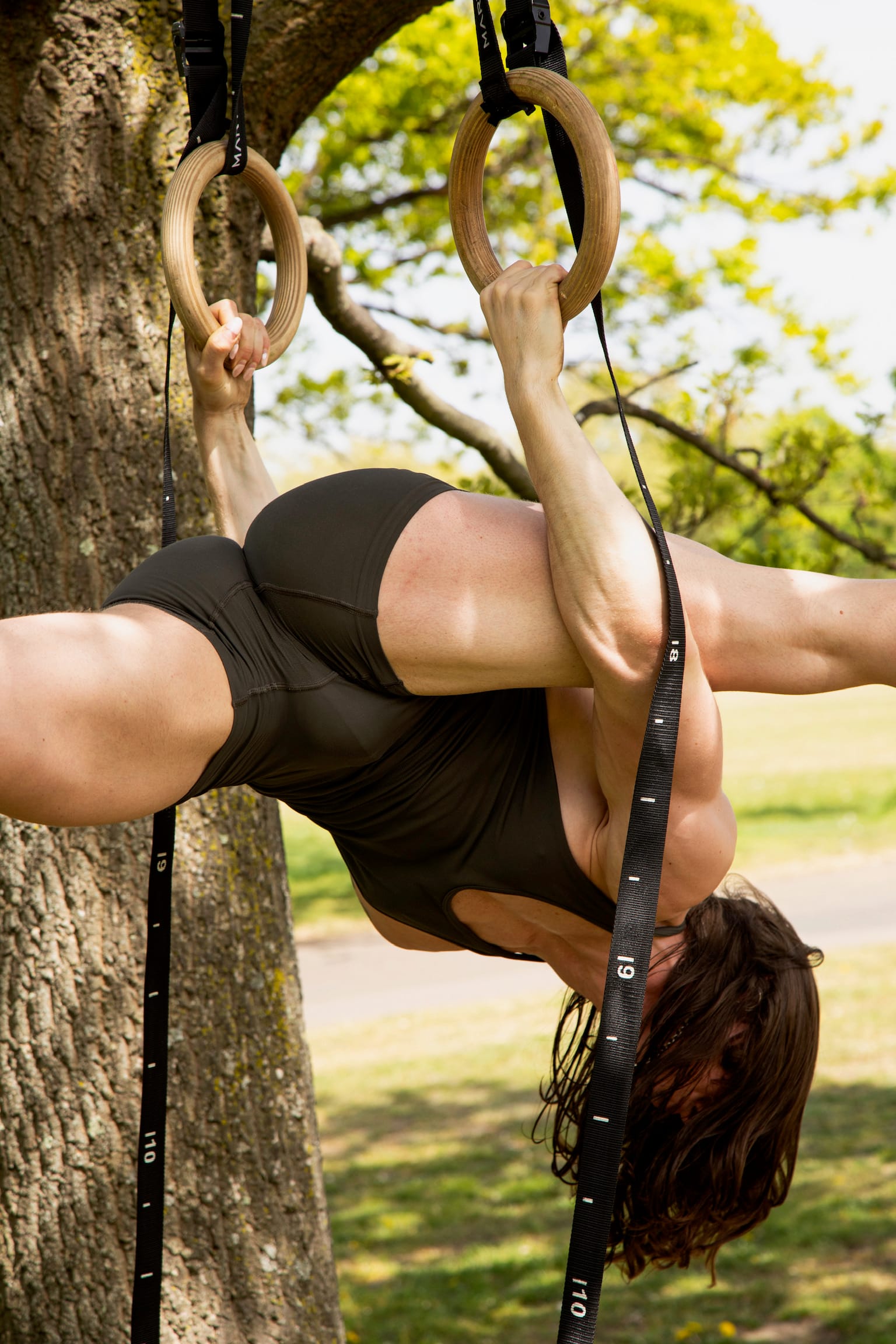
Cost is a big one. Statistically queer and trans people have high levels of unemployment and unstable housing, and in the current cost of living even a low cost gym membership is a limiting factor for lots of people’s access to fitness.
A friend once told me “it’s not un-queer to live well” and that’s always stuck with me.
Another I would say is the more traditionally gendered nature of fitness spaces and activities. Many queer and trans people move through the world feeling alienated from and/or rejected by heavily gendered spaces and activities. In the UK, football culture is something that creates a lot of anxiety in queer people, fear of harassment and aggression by crowds of football fans, memories of humiliation or dysphoria playing football as kids. I think that anxiety can reaffirm that narrative of “I don’t belong here”.
Muscly cis gay gym bros are the closest thing our community has to the cis het ideal, so it makes sense that they dominate. The world is already built to prioritise and value cisgender masculinity. This needs to change because as our community faces increasingly intense attacks on our bodily autonomy and basic human rights, especially the trans community, it’s important that queer people see and believe that we belong in sport and fitness. That being well and looking after ourselves is something we deserve access to. That being strong or fit or mobile isn’t only something straight or cis people can have.
The world is already built to prioritise and value cisgender masculinity. This needs to change
The barriers to entry in fitness for trans people specifically are intensifying – with new EHRC guidelines we are seeing a targeted attack by TERFs and our government on trans people’s dignity and comfort not only in toilets and changing rooms but also in public daily life. The stress and anxiety these “debates” cause for our community cannot be underestimated, and I think toppling the dominance of cis gay muscle Marys in fitness and wellness is about resisting the idea that trans people don’t belong.
Visibility isn’t everything, and doesn’t guarantee safety, but I think pushing representation in queer sport and fitness beyond cis gays is important to demonstrate that trans people have a right to being well. We will not be pushed out of public life, or have our bodies and biology scrutinised to the point that we no longer are able, or feel comfortable, to participate in sport and exercise.
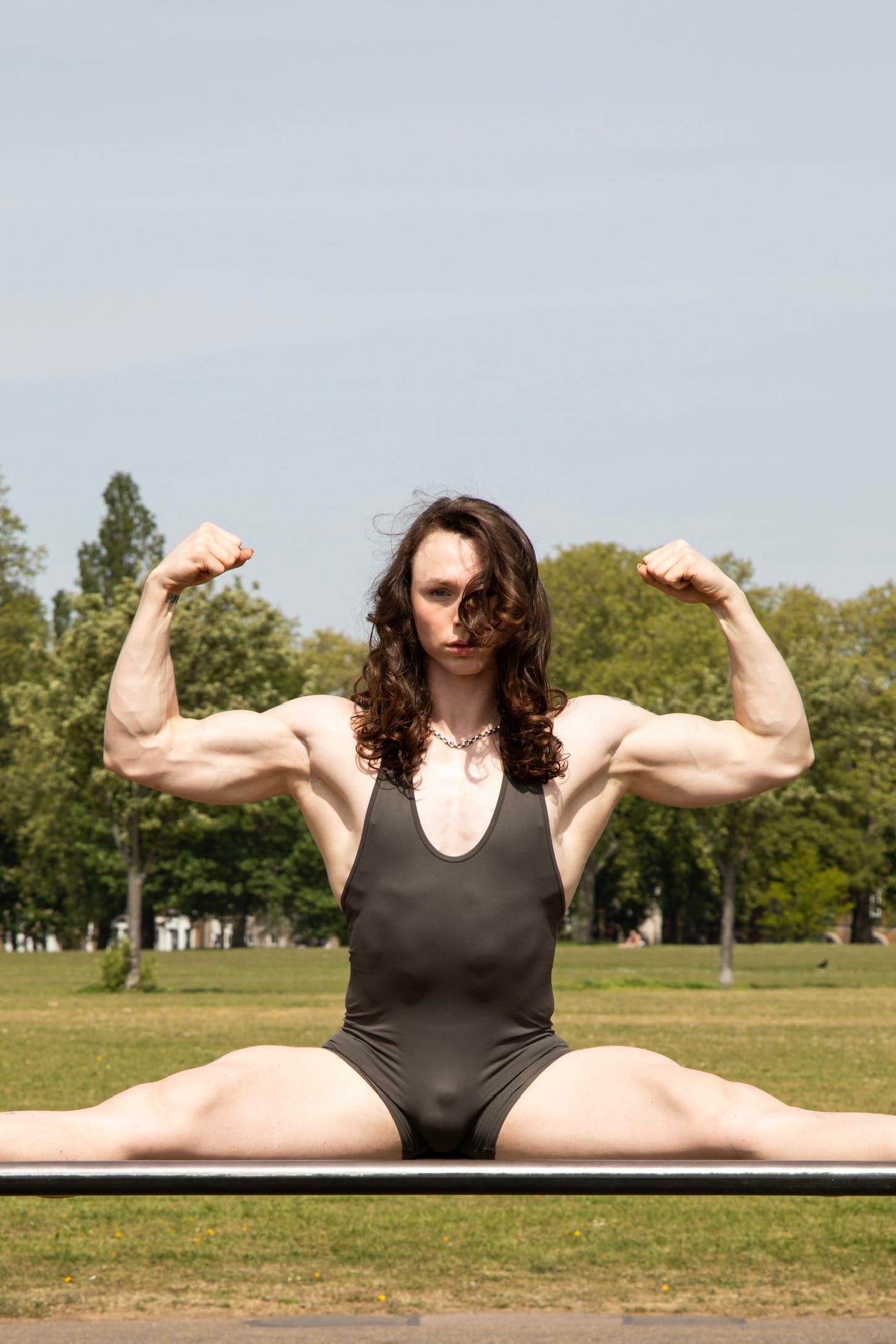
I love body weight push ups because while they are kinda ubiquitous and seem simple there’s actually a lot going on. With good form a push up is training your chest, shoulders, triceps and core all at once, while having to control your whole body throughout the movement.
What might be considered a basic movement becomes an essential and challenging exercise when we dial into every part of our body, connecting each muscle group to complete every rep with precision and control. Calisthenics translates as “beautiful strength” – so clean form is everything to me.
I love pushups because there are regressions for any experience level too. No one is too strong or too inexperienced to benefit from a set of push ups.
Become a paid subscriber to join the Love Your Body club with Gay Times Magazine and get exclusive access to my video, below!
£12.99 Monthly
£57.99 Annually
Cancel anytime
No results found. Try a different search.